Are you looking to improve your overall health and well-being? Proper nutrition may be the key you’ve been missing. In this article, we will explore what proper nutrition is, the essential nutrients needed for optimal health, and the impact it has on our energy levels, mental health, and physical health.
We will also delve into the role of proper nutrition in preventing and managing chronic diseases, as well as provide tips on how to incorporate healthy eating habits into your daily life. Join us as we explore the importance of proper nutrition as a key component of a healthy lifestyle.
Fun Health Facts:
- Proper nutrition is essential for optimal health and overall well-being, including energy levels, mental health, and physical health.
- Proper nutrition plays a crucial role in preventing and managing chronic diseases, such as heart disease and diabetes.
- Incorporating proper nutrition into your daily life through healthy food choices and a balanced meal plan can lead to a healthier and more fulfilling lifestyle.

What is Proper Nutrition?
Proper nutrition plays a vital role in maintaining overall health and well-being, encompassing the consumption of essential nutrients through a balanced diet.
When individuals prioritize proper nutrition, they are essentially fueling their bodies with the necessary vitamins, minerals, and macronutrients to support various bodily functions. An adequate intake of nutrients not only aids in physical health but also contributes significantly to mental well-being.
Focusing on a diet rich in whole foods and diverse food choices ensures that individuals receive a broad spectrum of nutrients crucial for optimal performance and immune function.
What are the Essential Nutrients for Optimal Health?
Essential nutrients for optimal health include vitamins, minerals, proteins, carbohydrates, and fats, each serving a crucial function in maintaining the body’s well-being.
Vitamins are essential for various bodily functions and can be found in a diverse range of fruits, vegetables, and fortified foods.
For instance, vitamin C boosts the immune system, while vitamin D supports bone health. Similarly, minerals like calcium and iron are vital for strong bones and oxygen transport, respectively.
Proteins are the building blocks of muscles and tissues, sourced from meat, fish, dairy, and plant-based products. Carbohydrates are our primary energy source, sourced from grains, fruits, and vegetables, providing fuel for daily activities.
Lastly, fats serve as concentrated sources of energy and are crucial for brain function and hormone production.

The Importance of Proper Nutrition for Overall Health
Proper nutrition is essential for overall health, acting as a cornerstone in the concept of food as medicine and supporting the body’s natural healing processes.
When individuals consume a well-rounded diet packed with essential nutrients, such as vitamins, minerals, antioxidants, and fiber, it not only fuels their bodies with energy but also aids in healing and boosting the immune system.
The impact of undernutrition can be detrimental, weakening the body’s defenses and making it more susceptible to illnesses. Gut health plays a crucial role in overall well-being as it affects digestion, nutrient absorption, and even mental health.
A balanced gut flora promotes a robust immune system, keeping illnesses at bay and promoting vitality.
How Does Proper Nutrition Affect Energy Levels?
Proper nutrition significantly influences energy levels, providing the necessary fuel for daily activities and promoting vitality.
When the body receives essential nutrients such as vitamins, minerals, and antioxidants through a well-rounded diet, it can function optimally, leading to sustained energy levels throughout the day.
The right balance of carbohydrates, proteins, and fats ensures a steady release of energy, preventing spikes and crashes that often accompany unhealthy food choices.
The relationship between nutrition and energy extends beyond immediate effects, as consistent healthy eating habits can contribute to long-term well-being, reducing the risk of chronic diseases and enhancing overall quality of life.
How Does Proper Nutrition Affect Mental Health?
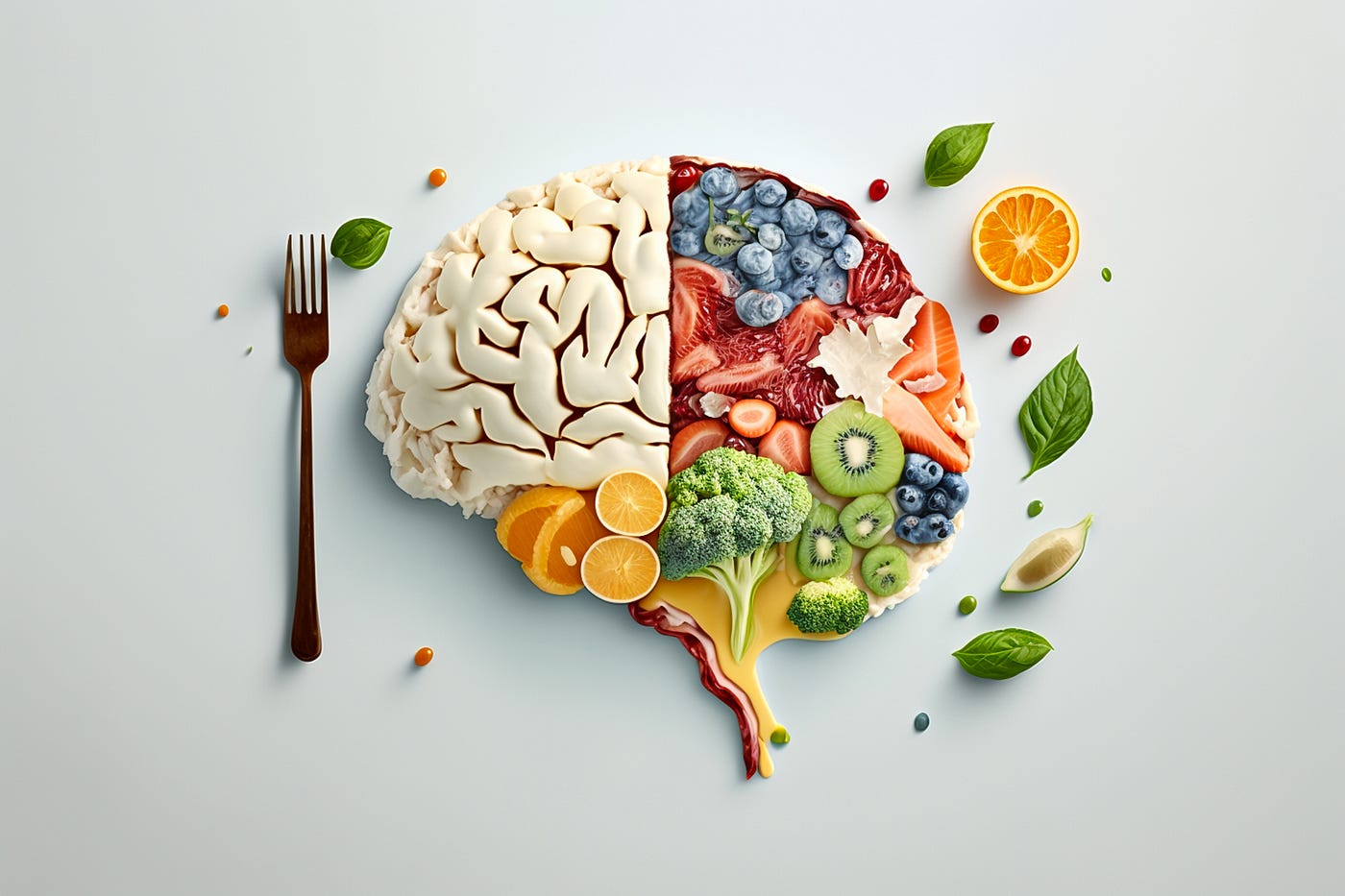
Proper nutrition plays a crucial role in mental health, supporting cognitive function and aiding in disease prevention.
Researchers have found that a diet rich in omega-3 fatty acids can improve cognitive performance and reduce the risk of age-related cognitive decline.
Incorporating antioxidants from fruits and vegetables into one’s diet can help protect against oxidative stress, linked to neurological diseases like Alzheimer’s and Parkinson’s.
The gut-brain connection is another fascinating aspect of nutrition; a balanced diet can promote a healthy gut microbiome, influencing mood and anxiety levels.
For individuals managing mental health conditions, specific nutrient deficiencies may exacerbate symptoms, highlighting the importance of personalized dietary interventions.
How Does Proper Nutrition Affect Physical Health?
Proper nutrition is fundamental to physical health, reducing the risk of chronic diseases and optimizing the body’s response to treatments while considering drug-nutrient interactions.
By fueling the body with the right nutrients, individuals can enhance their immune system’s ability to ward off illnesses and maintain overall well-being. A balanced diet rich in vitamins, minerals, and antioxidants plays a crucial role in supporting bodily functions and promoting longevity.
Understanding how certain foods interact with medications can prevent adverse reactions and enhance the efficacy of treatments. Nutritional strategies tailored to specific health conditions can help manage symptoms and improve quality of life for individuals dealing with chronic diseases.

The Role of Proper Nutrition in Preventing and Managing Chronic Diseases
Proper nutrition plays a pivotal role in preventing and managing chronic diseases, supporting the immune system and enhancing disease management strategies.
By making conscious dietary choices rich in essential nutrients, individuals can significantly reduce the risk of developing conditions such as heart disease, diabetes, and obesity. Healthy eating habits also play a key role in boosting the immune system, making the body more resilient to infections and illnesses.
A balanced diet ensures that the body receives the necessary vitamins and minerals needed for overall well-being, further aiding in disease prevention.
What are the Most Common Chronic Diseases Linked to Poor Nutrition?
Common chronic diseases associated with poor nutrition include cardiovascular disease, type 2 diabetes, and osteoporosis, highlighting the importance of preventive medicine.
When individuals do not receive adequate essential nutrients, their overall health can be compromised, potentially leading to a range of chronic health issues.
For instance, a lack of key vitamins and minerals can weaken the heart, elevate blood sugar levels, and reduce bone density, paving the way for the onset of these debilitating conditions.
Emphasizing preventive medicine strategies, such as promoting a balanced diet rich in nutrients and encouraging regular exercise, can play a crucial role in mitigating the risks associated with these diseases.
By adopting preventive measures early on, individuals can take proactive steps towards disease prevention and overall well-being.

How Can Proper Nutrition Help Prevent and Manage Chronic Diseases?
Proper nutrition serves as a powerful tool in preventing and managing chronic diseases, offering cost-effective healthcare solutions and reducing the burden of disease.
Research has shown that a balanced diet rich in essential vitamins, minerals, and nutrients plays a vital role in maintaining overall health and well-being.
By consuming a variety of fruits, vegetables, whole grains, lean proteins, and healthy fats, individuals can bolster their immune system, regulate blood sugar levels, and lower the risk of developing conditions like heart disease, diabetes, and obesity.
Healthcare professionals emphasize the importance of educating patients on the benefits of nutritious eating habits and understanding how dietary choices can impact their long-term health outcomes.
By promoting preventive care measures, physicians and dietitians can give the power to individuals to take charge of their health and make informed decisions that can positively influence their quality of life.
How to Incorporate Proper Nutrition into Your Daily Life
Incorporating proper nutrition into your daily life involves making informed food choices, addressing nutrient deficiencies, and embracing the concept of food as medicine.
One key aspect of this approach is to prioritize fruits and vegetables in your diet. These colourful foods are packed with essential vitamins, minerals, and antioxidants that support overall health.
Aim to fill half your plate with a variety of fruits and vegetables at each meal. Incorporating a variety of whole foods, such as whole grains, nuts, seeds, and legumes, can provide a diverse array of nutrients to fuel your body.

What are the Key Principles of a Proper Nutrition Plan?
Key principles of a proper nutrition plan include focusing on whole foods, incorporating lifestyle changes, and prioritizing nutrient-dense meals for optimal health.
By choosing whole foods over processed ones, individuals can ensure they are consuming essential vitamins, minerals, and antioxidants for their healing process.
Making lifestyle modifications such as increasing physical activity and managing stress levels also play a crucial role in supporting overall health. A diet rich in nutrients not only fuels the body but also aids in maintaining a strong immune system and promoting longevity.
How to Make Healthy Food Choices?
Making healthy food choices involves selecting a variety of fruits and vegetables, prioritizing nutrient-packed options, and considering the healing benefits of whole foods.
In terms of minerals, incorporating a diverse range of vegetables in your diet can provide essential nutrients like potassium, magnesium, and calcium. Opting for leafy greens, colorful peppers, and cruciferous vegetables can ramp up your mineral intake.
Incorporating a wide array of fruits can offer natural sources of vitamins, antioxidants, and fiber that support overall well-being.
When focusing on whole foods, look for options that are minimally processed and close to their natural state. Foods like whole grains, legumes, nuts, and seeds are rich in nutrients and can contribute to a balanced diet.
Prioritizing whole foods over processed or refined options can help you harness the healing properties of these foods for optimal health.

How to Create a Balanced Meal Plan?
Creating a balanced meal plan involves incorporating adequate protein, carbohydrates, and fats, ensuring a diverse and nutrient-rich diet to support overall health.
Proteins are crucial for building and repairing tissues, while carbohydrates provide energy for daily activities, and fats aid in nutrient absorption and hormone production.
When structuring your meals, aim for a combination of protein sources like lean meats, fish, eggs, and plant-based options, complex carbohydrates such as whole grains, fruits, and vegetables, and healthy fats from nuts, seeds, avocados, and olive oil.
It’s essential to control portion sizes to avoid overeating, focus on nutrient-dense foods, and vary your meals to ensure you receive a wide range of vitamins and minerals.
Conclusion: Proper Nutrition as a Key Component of a Healthy Lifestyle
Proper nutrition stands as a cornerstone of a healthy lifestyle, supported by holistic nutritionists and offering a proactive approach to disease prevention.
Collaborating with healthcare providers can significantly enhance your understanding of how nutrition impacts your overall well-being. By working together, you can tailor your diet to reduce the risk of developing chronic diseases such as heart disease, diabetes, and obesity.
Being aware of potential drug-nutrient interactions is crucial in optimizing the benefits of your medications and ensuring they are not counteracted by certain foods.
Taking proactive measures through mindful eating and informed decisions can be a powerful tool in maintaining good health and preventing illness.

Frequently Asked Questions (FAQs)
How does proper nutrition affect our overall health?
Proper nutrition is essential for maintaining good health. It provides our bodies with the necessary nutrients to function properly, fight off illness, and promote healing. In fact, nutrition is often referred to as “medicine” because it has such a significant impact on our overall well-being.
What are the key components of a proper nutrition plan?
A proper nutrition plan should include a balance of all essential nutrients, including carbohydrates, proteins, fats, vitamins, and minerals. It should also focus on incorporating whole foods, limiting processed foods, and staying hydrated. Additionally, a proper nutrition plan should be tailored to an individual’s unique needs and lifestyle.
Can proper nutrition help manage chronic health conditions?
Yes, in many cases, proper nutrition can play a crucial role in managing chronic health conditions. A well-balanced diet can help reduce inflammation, regulate blood sugar levels, and support a healthy immune system. This can lead to improved symptoms and an overall better quality of life.
How does proper nutrition affect energy levels?
Proper nutrition is essential for maintaining steady energy levels throughout the day. Foods that are high in sugar and unhealthy fats can cause energy crashes, while a balanced diet that includes complex carbohydrates, protein, and healthy fats can provide sustained energy.
What are some signs of an improper nutrition plan?
Some signs of an improper nutrition plan include fatigue, changes in weight, digestive issues, and vitamin deficiencies. Additionally, a diet that is high in processed foods and lacking in essential nutrients can increase the risk of developing chronic health conditions.
Is it possible to get all necessary nutrients from food alone?
While it is ideal to get all necessary nutrients from a healthy diet, it can be challenging to achieve this with food alone. Factors such as soil depletion, food processing, and individual nutritional needs can make it difficult to get adequate amounts of certain nutrients. In these cases, supplements may be beneficial to ensure proper nutrition.


