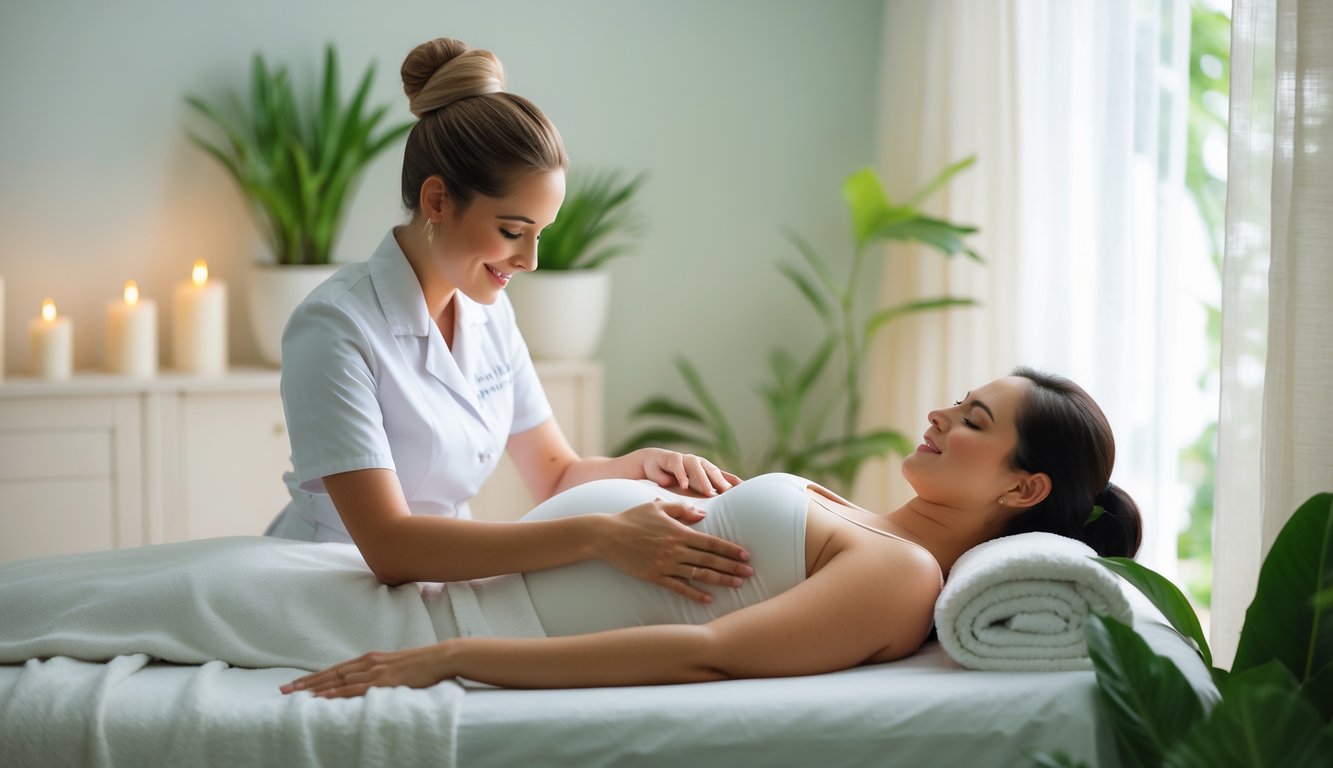
6 Magical Benefits of Pregnancy Massage
Enhance Comfort and Wellbeing for Moms-to-Be
Pregnancy brings many changes to your body, and comfort can sometimes be hard to find. Massage designed for expectant mothers is becoming more popular as people look for ways to ease discomfort and support their well-being.
Learning about the benefits of pregnancy massage can help you decide if it’s the right choice for you during this special time. Understanding how these gentle treatments support your body and mind may give you added relief and peace of mind.
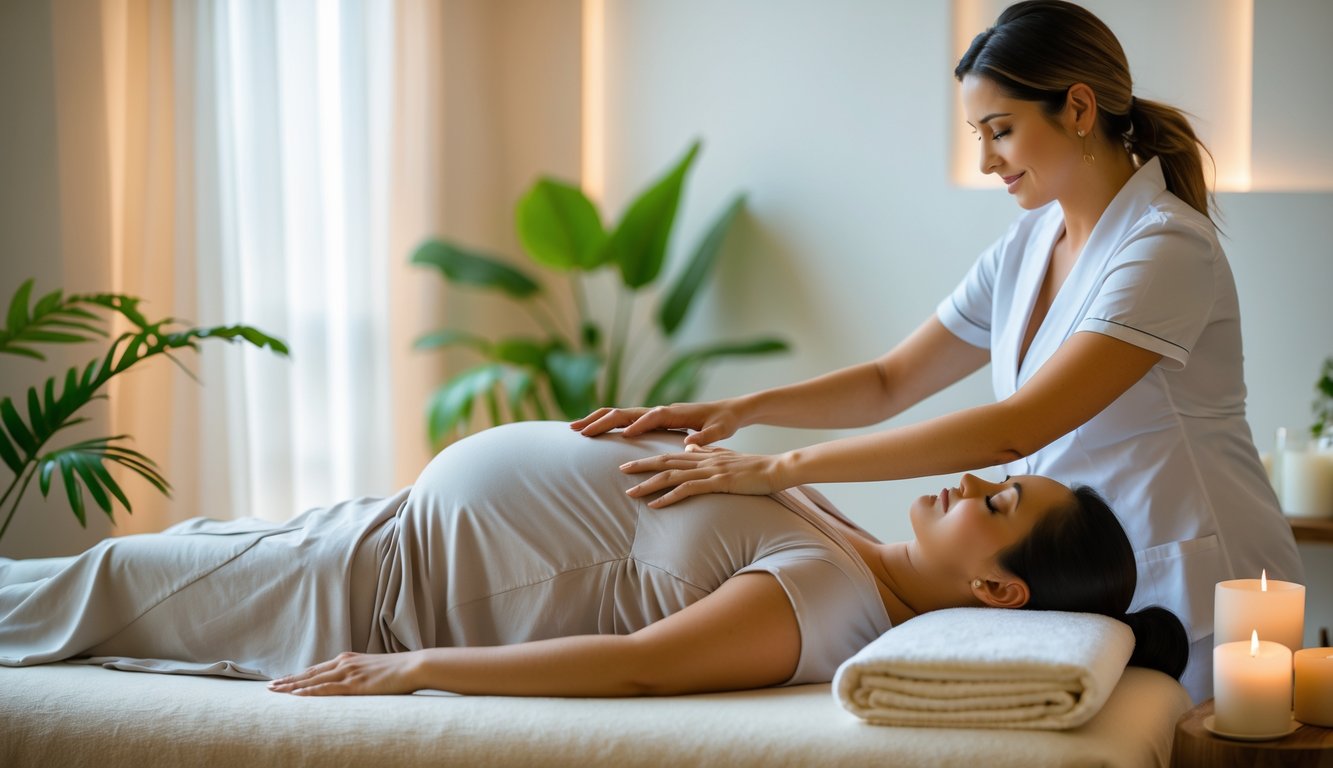
During pregnancy, stress and anxiety are common concerns for many people. Changes in your body, shifting hormones, and preparing for a new baby can all make you feel uneasy or overwhelmed.
A relaxing pregnancy massage can help you relax both your body and mind. The gentle pressure and slow movements are calming and can help your body release endorphins, which are natural chemicals that make you feel good and more at ease.
Research shows that massage can lower stress hormones like cortisol and help you feel more balanced. Regular sessions may also help you manage symptoms of depression or anxious thoughts connected to pregnancy. A systematic review found that massage therapy is an effective, non-invasive way to reduce anxiety, stress, and depression during pregnancy. You can find more details about these findings in this review on natural remedies for anxiety during pregnancy.
Prenatal massage does more than just make you feel relaxed in the moment. Over time, regular massage can help improve your overall sense of well-being and even your sleep quality. Better sleep and a calmer state of mind can make it easier to handle daily challenges during pregnancy. According to some studies, massage may also boost immune function during this important time. For more information on these effects, visit this research article about relaxation massage during pregnancy.
It’s natural to feel nervous or anxious as you go through big changes. Massage therapy gives you a safe space to relax and take a break from worries. This time for yourself can be a key part of your mental and emotional care while pregnant.
2) Alleviates lower back and pelvic pain
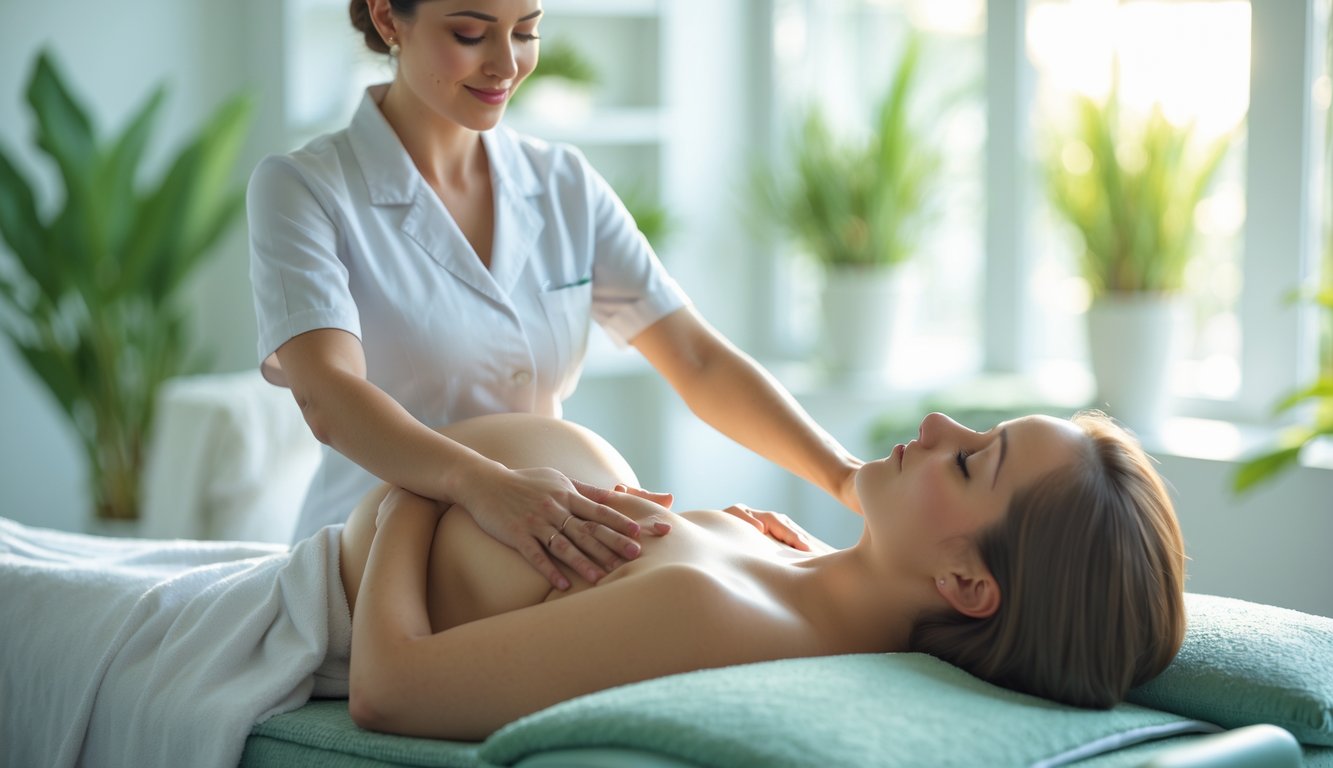
During pregnancy, you may notice more pressure and discomfort in your lower back and pelvic area. This pain is common as your body changes to support your growing baby. Extra weight and a shifting center of gravity can place extra strain on your muscles and joints.
Pregnancy massage is designed to gently target these tense areas. By working on the muscles in your lower back and hips, massage can help ease aches and reduce pain. Many people say they feel improved mobility and comfort after just one session.
Massage can increase blood flow to your lower back and pelvis. Better blood flow brings more oxygen and nutrients to tired muscles, which can help them recover faster. It may also help reduce swelling and muscle tightness related to pregnancy.
Studies have found that massage may lower levels of cortisol, the hormone linked with stress, and increase endorphins, which are natural pain relievers. This means you could experience pain relief not just in your back, but throughout your body.
Research shows that pregnancy massage can help with specific problems such as sciatica, pelvic pain, and muscle spasms. If you often feel sore in your lower back, this type of massage offers a safe and natural way to help manage those symptoms according to many health experts.
Pain in the pelvic region may also improve. By relaxing tight muscles and improving posture, you may find it easier to move and rest comfortably at night. Some reports note reduced cramps and less lumbar pressure after a massage session.
If you are dealing with back or pelvic discomfort, massage may help you feel better during pregnancy. However, always talk to your healthcare provider before starting any new therapy to make sure it’s the right choice for you.
3) Improves circulation for reduced swelling
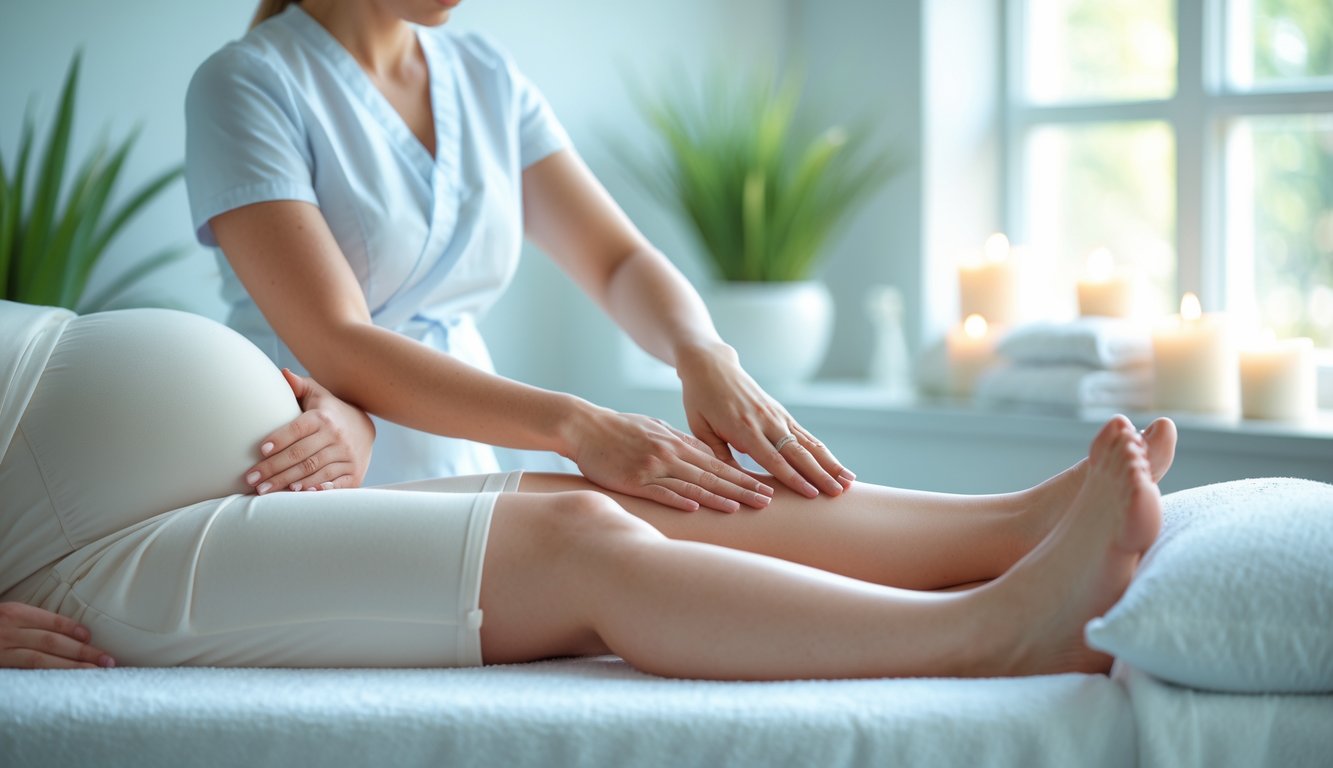
When you are pregnant, your body holds on to more fluids. This can cause your feet, ankles, and legs to swell. It’s a common problem and can make you feel uncomfortable.
Pregnancy massage helps by gently moving fluid through your body. This type of massage uses light, smooth strokes to encourage better blood flow. Good circulation allows your body to move extra fluids out of your tissues more easily.
Improved circulation means your cells get more oxygen and nutrients. When blood flows well, swelling often goes down. This can relieve the tight or heavy feeling that swollen feet or hands can cause.
Massage also supports your lymphatic system. The lymphatic system removes waste and extra fluid from your body. Gentle massage can help this system work better, making it easier for your body to bring swelling down.
Many people find relief from swelling after regular pregnancy massages. In fact, lighter strokes and special techniques called lymphatic drainage can be very helpful. These methods have been shown to reduce swelling in your legs and feet during pregnancy. Read more about how lymphatic and prenatal massage improve circulation and reduce swelling.
Some research shows that prenatal massage may help lower your risk of other problems, such as leg cramps or varicose veins, by improving overall blood flow. Swelling, also called edema, can be managed easier when your blood moves well. Learn more about these benefits of improved circulation in pregnancy massage.
Even if swelling is mild, better circulation can help you stay more comfortable. A trained massage therapist will use safe positions and gentle movements tailored to your needs. This can help soothe your legs and feet and give you a break from fluid buildup.
If you notice increasing swelling or sudden changes, always talk to your doctor. Swelling can be normal, but it’s important to get medical advice if you have any concerns. Massage is one way to manage swelling, but your health care team can tell you what is best for you.
4) Eases muscle tension and cramps
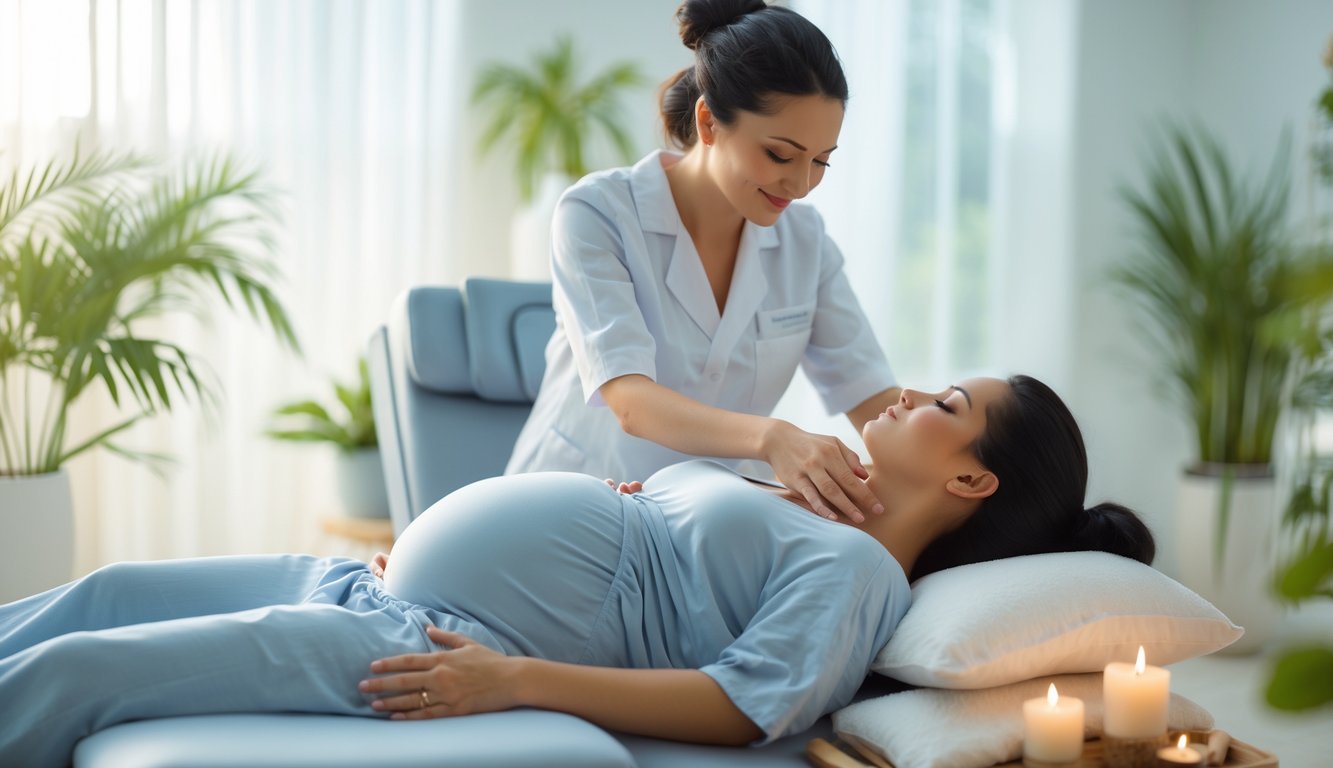
During pregnancy, your muscles can become tense and sore. This often happens in your back, neck, shoulders, and legs as your body changes shape and carries more weight.
Pregnancy massage gently works on these areas to help release tightness and reduce muscle cramps. These massages use lighter, careful pressure to make you feel more comfortable and relaxed.
Leg cramps are very common, especially in the later stages of pregnancy. Massage can help decrease these cramps by loosening stiff muscles and improving the flow of blood in your legs. Better blood flow can help bring oxygen and nutrients to sore or stiff spots.
You may also notice more tension in your lower back as your posture shifts and your abdomen expands. Massage can target this area and reduce discomfort, which helps you move more freely and sleep better at night.
Some research suggests that pregnancy massage can lower the frequency and intensity of muscle pain and cramps. Many women report fewer aches, especially in their legs and lower back, after just a few sessions.
Besides reducing pain, regular massage may also help your muscles become more flexible. This might make it easier for you to adjust to your body’s changes and stay active throughout your pregnancy.
Pregnancy massage does not cure all aches right away, but it is a simple way to find relief from daily muscle tension. The gentle touch, safe techniques, and focus on comfort mean you can relax while taking care of your own health.
For more information about how pregnancy massage can ease muscle tension and cramps, you can explore trustworthy health resources. Reliable sources highlight that targeted techniques are helpful for many common problems related to muscle tightness during pregnancy.
5) Enhances sleep quality for better rest
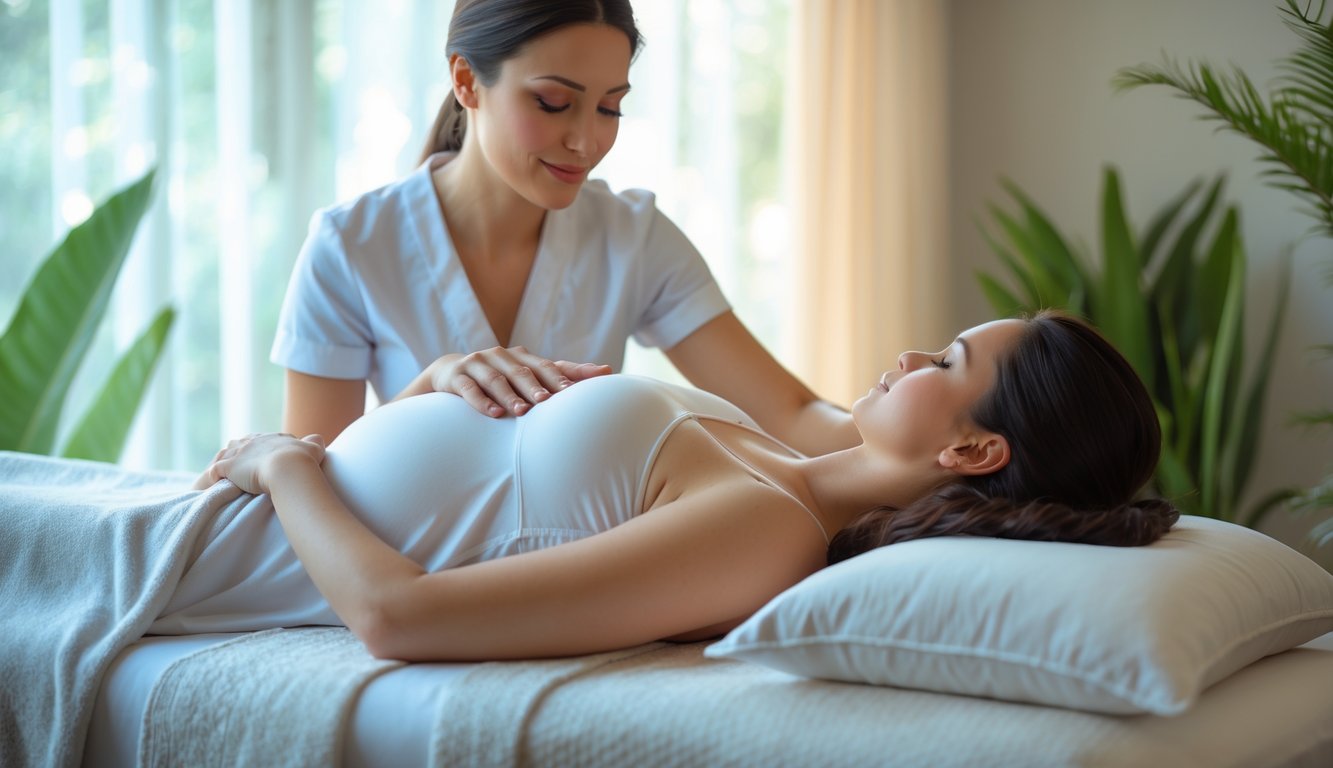
Getting good sleep during pregnancy can be difficult. You might find yourself waking up more at night or having trouble relaxing. Many pregnant people report sleep problems, especially as pregnancy progresses.
Pregnancy massage can help you relax both physically and mentally. The gentle touch and focus on tense muscles can calm your nervous system. This can reduce stress and help you wind down before bedtime.
Regular massage is linked to improved sleep quality. Studies show that massage helps lower stress hormones, such as cortisol. When these hormones drop, it becomes easier for your body to rest. With less tension and anxiety, you may fall asleep faster and wake up less often.
Massage can also boost your circulation. Better blood flow reduces swelling in your legs and feet, making you feel more comfortable at night. Some sources state that improved circulation from massage supports better oxygenation in your body, which may also lead to a deeper sleep.
Pregnancy massage encourages the body to release serotonin, a hormone that helps control sleep patterns. When your serotonin levels rise, you usually feel calmer and more at ease. This can help set the stage for better quality sleep during pregnancy.
Adding massage to your routine, especially in the evening, can help prepare your body for rest. A gentle massage can help you let go of worries, making it easier to drift off to sleep. With regular massage sessions, many people notice longer and deeper sleep.
If you struggle with sleep while pregnant, you are not alone. Taking steps like getting a pregnancy massage may be a helpful way to find relief. When you sleep better, you also give your body more time to recover and recharge for the next day.
6) Supports hormonal balance during pregnancy
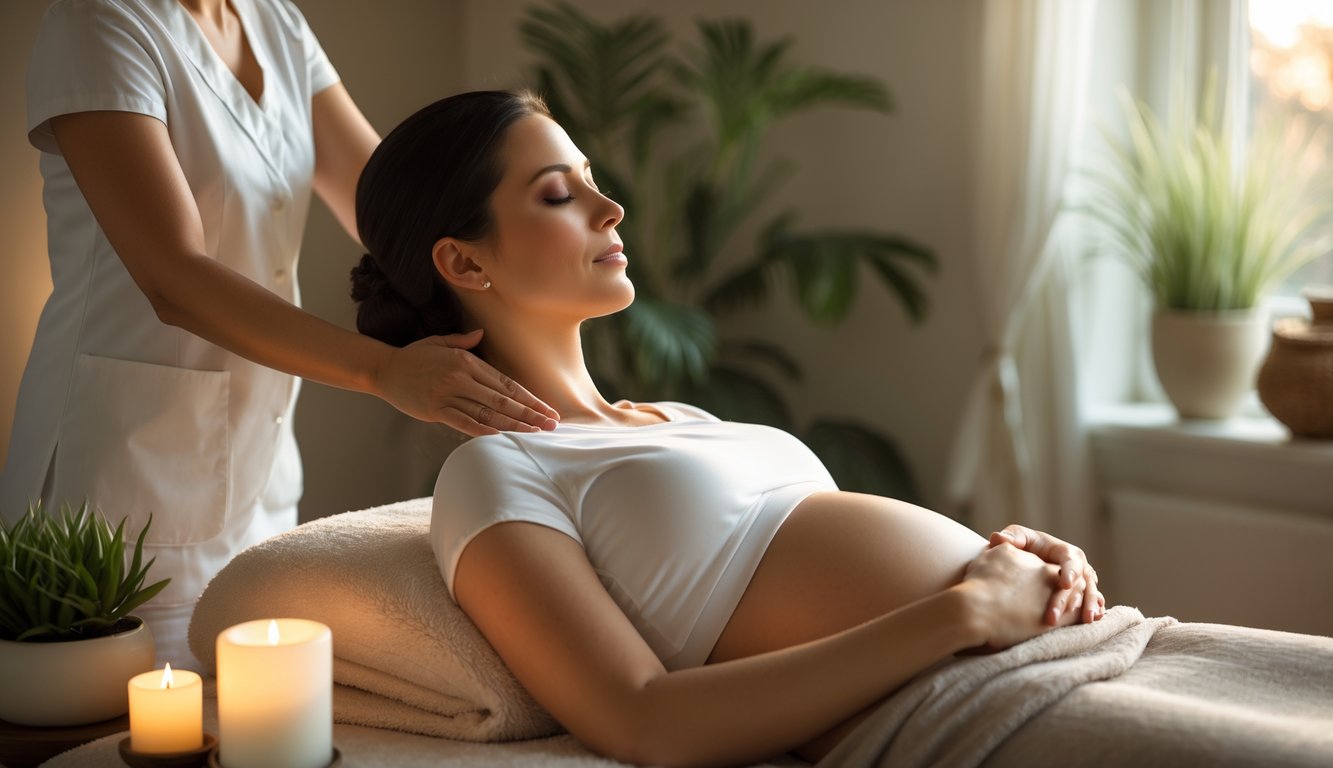
During pregnancy, your hormones shift to support your baby’s growth and your own changing body. These natural changes can sometimes lead to stress, mood swings, and trouble sleeping.
Pregnancy massage may help your body regulate these hormones. When you get a massage, your body releases endorphins, oxytocin, and serotonin. These are often called “feel-good” hormones. They can help you feel calmer and more balanced during this time.
At the same time, massage can lower stress hormones like cortisol. This is important, because high levels of stress over time can make pregnancy symptoms feel worse and affect your overall well-being. By promoting relaxation, massage can help keep your stress in check and support a steadier mood.
Research shows that regular pregnancy massage may reduce anxiety and improve overall emotional health by helping control hormone levels. Studies also suggest massage therapy can help regulate stress hormones and increase positive neurotransmitters, which are crucial for your comfort and emotional stability.
Good hormonal balance can also lead to better sleep. Many people report that massage helps them sleep more soundly. Deep rest supports your body’s ability to cope with pregnancy changes.
Supporting your hormones isn’t just about feeling better emotionally. Balanced hormones can even play a role in your physical comfort by reducing muscle tension, headaches, and swelling. For many, regular massage offers a gentle, natural way to promote hormone health throughout pregnancy.
How Pregnancy Massage Works
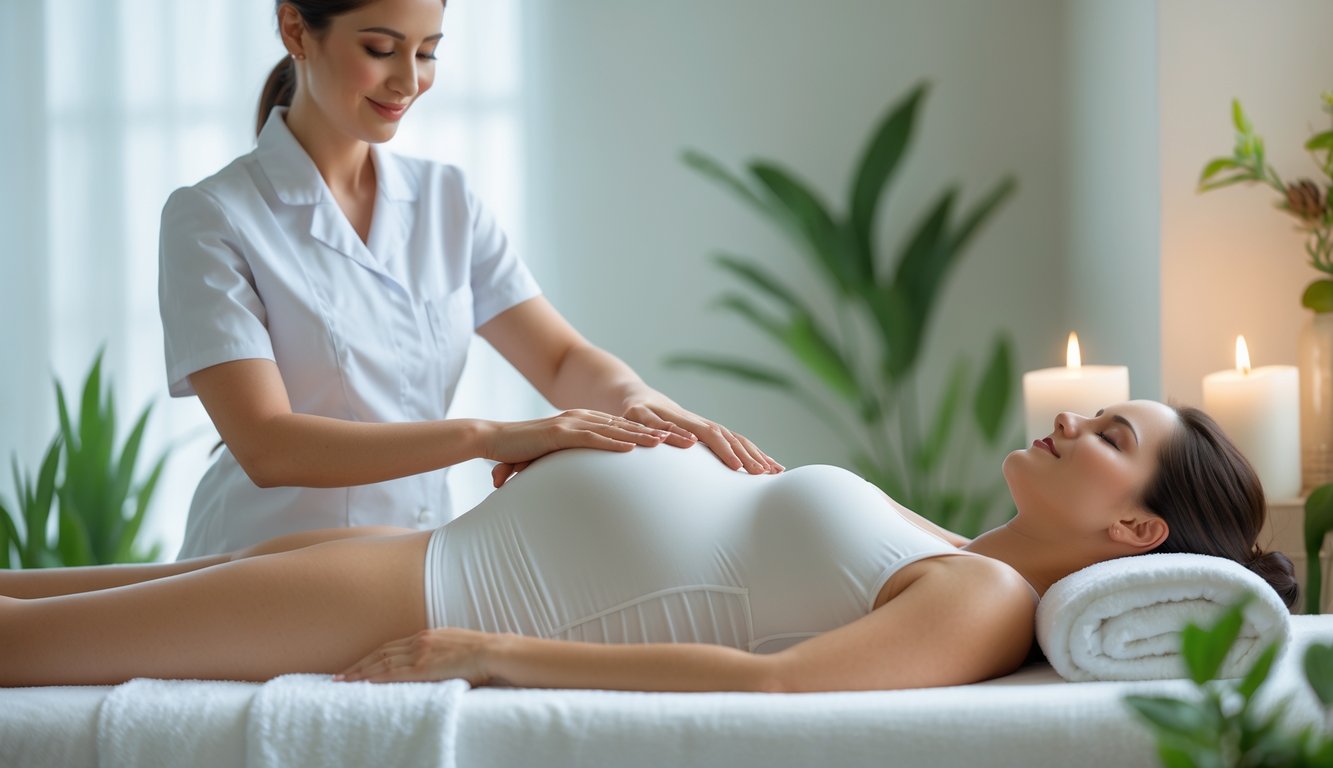
Pregnancy massage uses special techniques to relax your body, reduce swelling, and help with pain. These massages require trained therapists who know how to work safely with pregnant people, making sure that comfort and safety come first.
Techniques Used by Certified Therapists
Certified pregnancy massage therapists use a mix of gentle strokes, soft tissue work, and light kneading on specific body parts. They focus on relieving pressure in areas like your lower back, hips, legs, and shoulders. These techniques can ease muscle tension, improve circulation, and reduce swelling caused by extra fluid buildup.
You may lie on your side with pillows supporting you, which helps avoid pressure on your belly and keeps you comfortable. Hands, forearms, and sometimes special tools are used to make movements soothing and safe. Therapists might also use light lymphatic drainage methods to help reduce swelling, which has shown to be helpful in pregnancy (see more about lymphatic pregnancy massage benefits).
Massage pressure is always gentle. Deep tissue massage is usually avoided to lower the risk of discomfort or harm.
Precautions and Safety Guidelines
Therapists take extra steps to keep you and your baby safe during massage. They avoid certain pressure points, especially around the ankles, wrists, and abdomen, since these could affect blood flow or trigger contractions. Your therapist will ask about your health and pregnancy stage before starting, since some health conditions or risks can make massage unsafe.
You should always let your therapist know if you feel uncomfortable. Most experts suggest waiting until the second trimester to start pregnancy massage, and it should only be done by someone trained in prenatal care. Clean linens, proper positioning, and regular handwashing are always part of the process for your safety. If you have questions about safety or possible risks, you can get more detailed info from medical sources on pregnancy massage safety.
Integrating Massage Into Prenatal Wellness
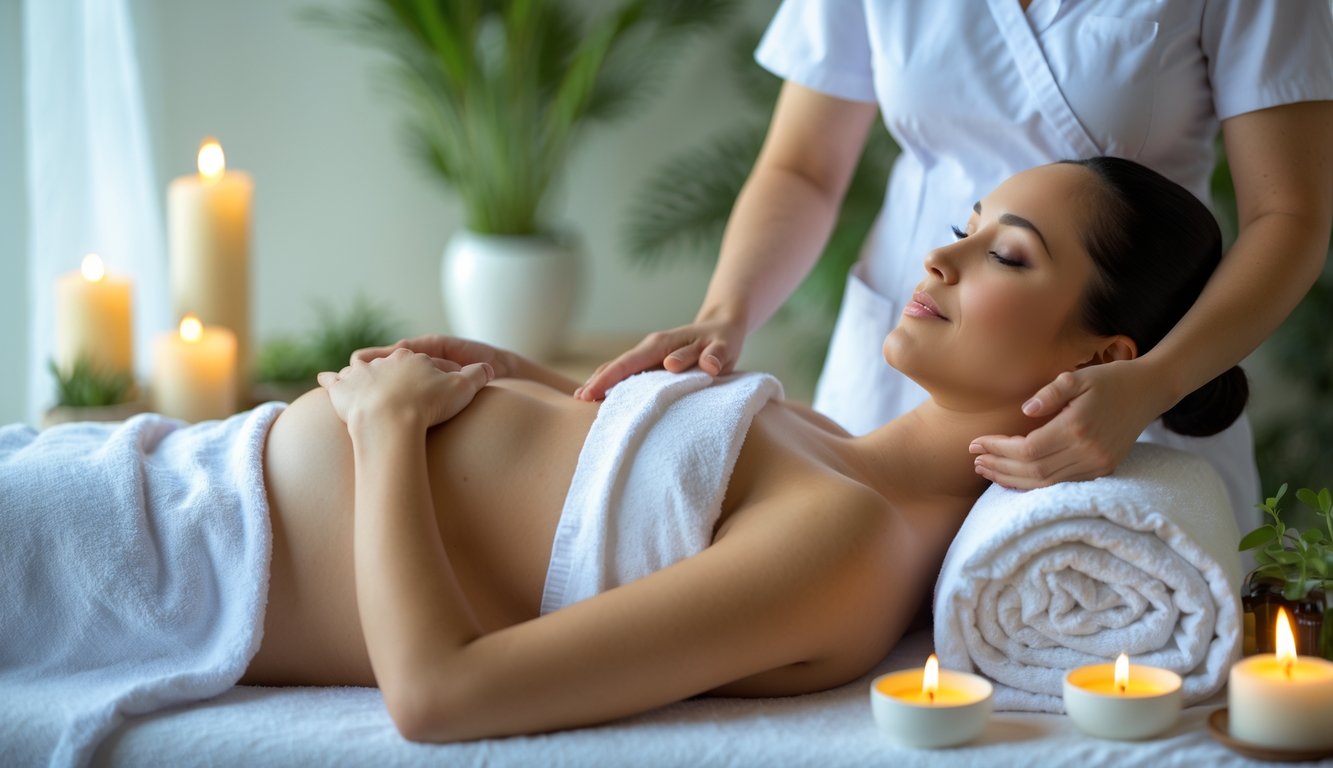
Making massage a regular part of your prenatal routine can improve your comfort, reduce stress, and prepare you for labor. Planning your sessions well and working with your healthcare team ensures safety and maximum benefits.
Choosing the Right Time for Massage
Knowing when to start massage therapy matters during pregnancy. It is usually considered safe to begin prenatal massage after the first trimester unless your doctor advises otherwise. The early weeks carry a higher risk, so most experts suggest waiting until after week 12.
The frequency of sessions depends on your needs. Some people benefit from a monthly massage in the second trimester. In the third trimester, massage may be helpful weekly or every other week as your body feels more strain.
Listen to your body and adjust as needed. Timing your sessions can also be helpful for sleep and pain relief, especially as you get closer to your due date. For more about these recommendations, visit this guide to pregnancy massage frequency and safety.
Key tips:
- Wait until after the first trimester
- Adjust frequency as pregnancy progresses
- Pay attention to your body’s signals
Collaborating With Healthcare Providers
Working with your healthcare provider is important when adding massage to your wellness plan. Your doctor or midwife knows your medical history and any risks you may have.
Share with them any symptoms or special needs you experience. Some conditions, like high blood pressure or certain complications, might require special care or may make massage unsafe. Getting approval before starting massage therapy helps keep you and your baby safe.
A healthcare provider can recommend safe positions and massage techniques. They may also connect you with therapists trained in prenatal care. This team approach supports both physical and emotional health during pregnancy, offering relief for common concerns like swelling, pain, and stress according to research on prenatal massage benefits.
Important steps:
- Talk to your doctor before starting massage
- Discuss any medical issues or discomforts
- Ask for guidance on finding a certified therapist


