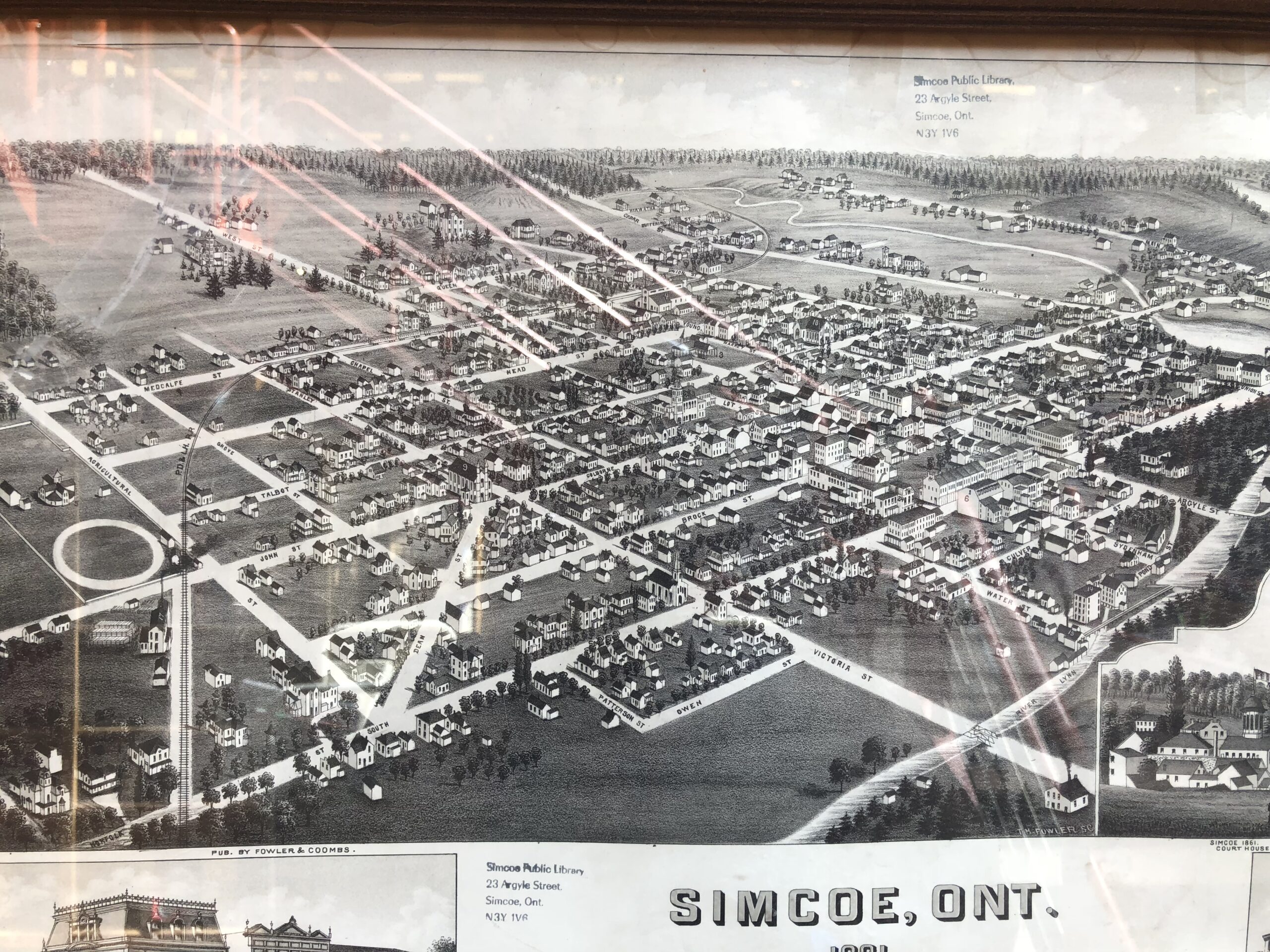
Welcome to the fascinating world of Norfolk County, where centuries of rich history and vibrant culture await you. You may be wondering why learning about the past is important. Well, as the saying goes, those who don’t know their history are doomed to repeat it. So come along on this journey with us as we uncover the hidden gems and untold stories of Norfolk County, waiting to be discovered by you.
Key Points About Norfolk County:
- Norfolk County is a historically rich region, with a diverse past of Native American inhabitants, European colonization, and involvement in the Revolutionary War.
- Throughout its history, Norfolk County has experienced significant industrialization and growth in agriculture and trade, shaping its economy and cultural landscape.
- The impact of World War I and II can still be seen in modern-day Norfolk County, and the region continues to thrive with its beautiful natural surroundings and rich heritage.
Introduction to Norfolk County
Norfolk County, located in Ontario, Canada, is a region rich in history and natural beauty. Situated along the shores of Lake Erie, Norfolk County offers stunning landscapes and a vibrant community. The county was first explored by French explorers, De Galinee and Dollier De Casson, in the 17th century.
Today, Norfolk County is known for its agricultural heritage, with fertile lands producing a variety of crops. Visitors can enjoy the county’s charming towns, picturesque beaches, and wineries. Norfolk County truly offers a delightful blend of history, culture, and natural wonders.
Early History of Norfolk County
The early history of Norfolk County is a fascinating tale of Native American inhabitants, European settlement, and the unique aesthetic appeal of this region. From the shores of Lake Erie, the original inhabitants of this land thrived on its abundant resources. Later, European colonization brought new influences and changes to the area, eventually leading to the establishment of a National Historic Site by King Louis XIV. Through the lens of key events and figures, such as William Smith, we will delve into the captivating story of Norfolk County’s early history.
Native American Inhabitants
The Native American inhabitants played a significant role in the early history of Norfolk County. The region, situated near Lake Erie, provided an abundance of food resources for these indigenous communities. They relied on hunting, fishing, and farming to sustain their livelihoods. The Native Americans also had a strong connection to the land, with a deep respect for nature and its resources. Their presence in Norfolk County predates the European settlement and colonization. Understanding their culture and heritage is essential in gaining a comprehensive understanding of the county’s history.
European Settlement and Colonization
European settlement and colonization played a significant role in the history of Norfolk County. In the 17th century, European explorers arrived, including French explorers led by Samuel de Champlain. Norfolk County became part of the French colony of Acadia under the rule of King Louis XIV. The area attracted settlers like William Smith, who established the first European settlement in the county.
Today, Norfolk County is home to the Port Royal National Historic Site, which commemorates the early European presence in the region. The legacy of European settlement and colonization continues to shape the history and culture of Norfolk County.
Norfolk County in the Revolutionary War
Norfolk County played a significant role in the Revolutionary War, with its strategic location along Lake Erie making it a crucial port for British forces. In this section, we will delve into the contributions of Norfolk County during the war, including the establishment of the Long Point Settlement and the influx of United Empire Loyalists. We will also explore the role of Norfolk County in Upper Canada’s Legislative Assembly, as well as the impact of the war on the county’s economic and industrial development, such as the establishment of Cartwright’s Landing and the Sayles and Sovereign’s Mills.
Role of Norfolk County in the War
During the Revolutionary War, Norfolk County played a key role in the fight for independence, thanks in part to the contributions of John Cartwright. As a prominent figure in the movement for democratic reform, Cartwright was instrumental in the establishment of the legislative assembly in Upper Canada. His impact extended beyond politics, as Cartwright’s Landing in Norfolk County served as a vital port for supplies and transportation during the war. The lasting impact of the war on Norfolk County is evident in its development and historical significance.
Impact of the War on Norfolk County
The War of 1812 had a significant impact on Norfolk County, particularly in its economic and industrial sectors. The conflict disrupted trade and resulted in the destruction of several key mills in the region. Among these were the saw mills and grist mills owned by Paul Averill and Sayles Mills. This caused a major setback for the local economy. However, the county was able to recover with the establishment of new mills, such as Sovereign’s Mills, which played a crucial role in revitalizing the economy. Despite the challenges faced during the war, Norfolk County was able to rebuild and adapt to the changing circumstances of the 19th century.
Norfolk County in the 19th Century
As the 19th century dawned, Norfolk County was on the brink of significant change. The promise of industrialization and development loomed on the horizon, bringing with it a period of growth and transformation. In this section, we will delve into the impact of industrialization and development in Norfolk County, highlighting key figures such as James Graves Simcoe and William Bird who played pivotal roles in its progress. We will also explore the growth of agriculture and trade in the county, with a focus on the contributions of influential figure Aaron Culver. Through these sub-sections, we will gain a deeper understanding of the dynamic changes that shaped Norfolk County during this era.

Industrialization and Development
Industrialization and development played a crucial role in shaping Norfolk County’s growth in the 19th century.
- Post office: The establishment of post offices, like the one in Simcoe, facilitated communication and trade.
- James Graves Simcoe: As the first Lieutenant Governor of Upper Canada, Simcoe promoted economic development and infrastructure projects in the area.
- William Bird: Bird’s sawmill and gristmill powered the local economy, attracting settlers and encouraging industrial growth.
One true story from this era involves the establishment of a successful furniture factory in the town of Delhi by a group of skilled craftsmen, contributing to the region’s economic prosperity.
Growth of Agriculture and Trade
In the 19th century, Norfolk County experienced significant growth in agriculture and trade. The fertile soil and favorable climate allowed for the cultivation of crops such as tobacco, corn, wheat, and cotton. Farmers like Aaron Culver played a crucial role in the development of the agricultural industry, implementing innovative techniques to improve productivity. Additionally, Norfolk County became a hub for trade, thanks to its strategic location along major waterways. The county’s proximity to ports and trading routes facilitated the exchange of goods, leading to economic prosperity. Today, Norfolk County continues to thrive in agriculture and trade, with a diverse range of crops and industries contributing to its vibrant economy.
Norfolk County in the 20th Century
The 20th century was a time of significant growth and change for Norfolk County. In this section, we will explore the major events and changes that shaped the county during this period. From the establishment of Port Rowan and the Long Point Settlement to the development of the first post office, we will examine the milestones that marked Norfolk County’s progress. Additionally, we will delve into the impact of World War I and II, including the effects of the War of 1812 and the contributions of local businesses such as Saw Mill, Grist Mill, Paul Averill, Sayles Mills, and Sovereign’s Mills.
Major Events and Changes
Major events and changes have shaped the history of Norfolk County. In the 19th century, the Long Point Settlement led to the establishment of Port Rowan and the growth of trade. The construction of the Erie Canal and the arrival of the railroad further boosted the county’s economy.
In the 20th century, World War I and II had a significant impact, with the county contributing to the war effort. Today, Norfolk County is a thriving community with a diverse economy and rich cultural heritage.
The establishment of the post office in Port Rowan has played a crucial role in connecting the community and facilitating communication.
Impact of World War I and II
During World War I and II, Norfolk County experienced significant changes and challenges. The war brought economic shifts, as industries shifted production to support the war effort. Sayles Mills and Sovereign’s Mills, known for their saw mills and grist mills, adapted their operations to produce goods for the military. The impact extended beyond the economy, as many local residents enlisted or supported the war in various ways.
One true story is that of Paul Averill, a Norfolk County resident who served in the military during World War II and later became a prominent figure in the community, contributing to its post-war recovery and development.
Modern Day Norfolk County
Norfolk County has come a long way from its early beginnings as a rural agricultural community. In this section, we will take a closer look at the modern-day Norfolk County and how it has evolved into a thriving region. We’ll discuss the various industries and economic factors that have contributed to its growth, including the role of industrialization and the development of mills such as the Saw Mill, Grist Mill, Paul Averill, Sayles Mills, and Sovereign’s Mills. Additionally, we will examine the cultural and social aspects of the county, including the unique towns of Port Dover and Port Rowan, the historic Long Point Settlement, and the impact of the post office on the community.

Economy and Industries
Norfolk County has a diverse economy with a range of industries that have evolved over time. In the nineteenth century, industrialization and development played a significant role, with the establishment of sawmills like Paul Averill’s and grist mills such as Sayles Mills and Sovereign’s Mills. These mills contributed to the growth and prosperity of the county, providing jobs and increasing trade.
In the twentieth century, Norfolk County experienced major changes driven by events like World War I and II. Today, the county’s economy is characterized by a mix of sectors, including manufacturing, agriculture, healthcare, and tourism.
Pro-tip: Explore the county’s rich industrial history by visiting preserved mill sites and learning about their contributions to the region’s development.
Norfolk County in Ontario, Canada, is known for its vibrant communities and rich cultural and social aspects. Port Dover and Port Rowan are just two examples of the charming towns within the county. The area has a fascinating history, including the establishment of the Long Point settlement and the development of a post office system.
Today, Norfolk County continues to thrive with a variety of cultural events, such as art exhibitions, music festivals, and local markets. Visitors can also enjoy the beautiful landscapes and partake in outdoor activities while immersing themselves in the welcoming community. Don’t miss the opportunity to experience Norfolk County’s cultural heritage and interact with its friendly residents.
As we conclude our exploration of Norfolk County’s history, it is evident that this region has been shaped by remarkable individuals and significant events. From the establishment of settlements by William Smith and James Graves Simcoe to the industrial growth fueled by Sayles Mills and Sovereign’s Mills, Norfolk County has experienced remarkable progress.
To further delve into the rich history of this area, we recommend visiting historical sites like Paul Averill’s homestead and engaging with local historical societies. By doing so, we can continue to appreciate and preserve the heritage of Norfolk County for future generations.
FAQs about A History Of Norfolk County
When did Indigenous groups first occupy Norfolk County?
The Indigenous groups of Haudenosaunee, Anishinaabe, Neutral, and Mississauga have occupied Norfolk County for centuries due to its location along Lake Erie and the abundance of flora, fauna, and fish.
Who were the first European explorers to visit Norfolk County?
In 1626, Larochee-Daillon and two other Frenchmen arrived in Norfolk County and spent three months with the Neutrals Indigenous nation. Two Jesuits also visited in 1640, and in 1669, French explorers De Galinee and Dollier de Casson reached the area.
When was the county officially created and what changes did it undergo in its early years?
Norfolk County was created in July 1792 as a constituency for the Legislative Assembly of Upper Canada. In 1798, it was reduced in size, and in 1829, Simcoe became the county seat. In 1835, Port Dover was incorporated as a village.
What factors led to the development of settlements in Norfolk County?
The aesthetic appeal and abundant food in Norfolk County, as well as the establishment of mills by United Empire Loyalist settlers, contributed to the development of settlements such as Port Rowan, Waterford, Simcoe, and Port Dover.
What makes the Backhouse Mill in Norfolk County significant?
Built in 1798, the Backhouse Mill is one of the few surviving grist mills from the 18th century in all of Ontario. It was also made into a National Historic Site of Canada in 1998 and now serves as a conservation and education center.
What can visitors learn at the Port Dover Harbour Museum?
The Port Dover Harbour Museum showcases the marine history of the community, as well as its cultural aspects, including the importance of the beach and greenhouses. It also has a permanent exhibit on the sinking of the Atlantic in 1852, the largest loss of life in Lake Erie’s history.
There’s so much about Norfolk that it’s near impossible to include it all in one, easy to read post. Check back for more later here on Norfolk Search!

