Natural Benefits of Handmade Soap, Ingredients & Local Brands
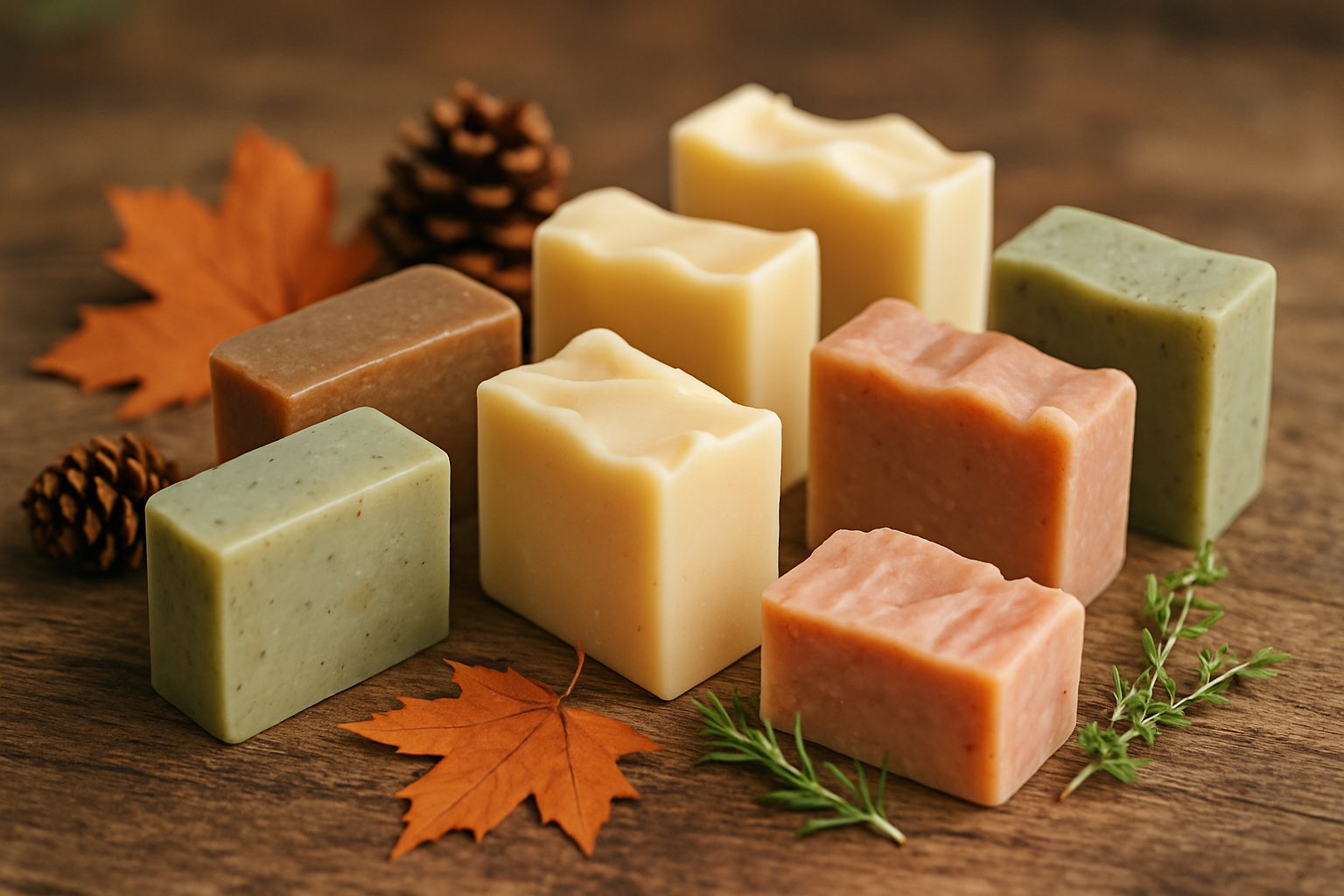
Canada’s bursting with small soap makers who craft gorgeous handmade bars using time-honoured methods. These artisans stick to natural ingredients like olive oil, coconut oil, and shea butter, making soaps that are gentle on your skin.
You’ll find everything from goat milk soaps made on Prince Edward Island farms to cold-process bars from the Rocky Mountains and amazing scents from Dirty Girl Soap Studio in Waterford, Ontario.
There’s a real sense of place in these creations.
Canadian handmade soaps just feel different from mass-produced bars—they keep natural glycerin and use top-notch plant-based ingredients. Many Canadian soap companies cure their bars for a month or more using old-school cold-process methods.
This slow approach results in a harder, longer-lasting bar with a super creamy lather. It’s a far cry from the stuff you find on supermarket shelves.
Handmade soap from Canada gives you access to unique recipes that blend local ingredients with real craftsmanship. Most makers avoid artificial colours and fragrances, sticking to essential oils and natural additives.
You’ll start to notice how Canadian brands stand out, what makes their soaps special, and which companies are leading the handmade soap movement across the country.
What Makes Handmade Soaps from Canada Unique?
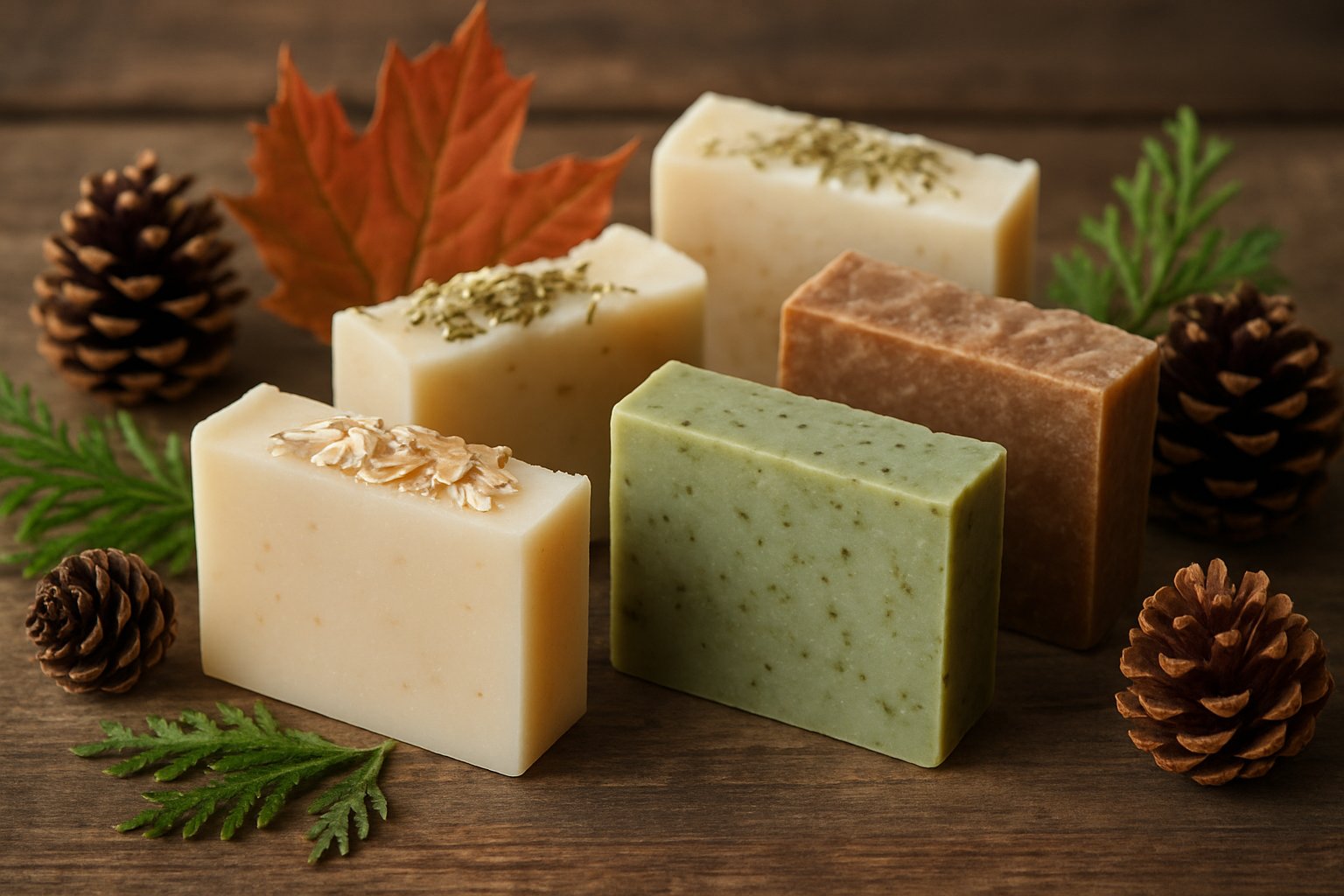
Canadian handmade soaps stand apart thanks to generations of refined skills, careful small-batch methods, and natural ingredients. There’s something about the attention to detail that just feels different from the mass-produced stuff.
Canadian Craftsmanship and Traditions
Soap makers in Canada have honed distinctive techniques over decades. Many artisans stick to cold-process methods using organic shea butter to preserve the good stuff in their ingredients.
Some craftspeople focus on regional approaches. For instance, you’ll find makers who use pure olive oil bases instead of palm oil for a richer lather and a bar that lasts longer.
Patience matters here. The curing process usually takes 4-6 weeks, giving the soaps their signature hardness and gentle feel.
Artisans blend modern safety standards with old-school recipes. That’s how they keep quality high without losing the handmade charm.
Small-Batch Production Methods
Small-batch production lets Canadian soap makers keep a close eye on every bar. You end up with carefully made products using organic ingredients that get real hands-on attention.
Most artisans make batches of just 50-100 bars at a time. This gives them control over mixing, temperature, and the chemical magic of saponification.
Temperature control is a big deal. Canadian makers usually keep oils between 38-43°C to get the texture just right.
Small batches mean you’ll see unique colour swirls and marbling in every bar. No two are exactly alike, and that’s part of the fun.
Artisans test quality at several points. They check pH, hardness, and lather before sending soaps out into the world.
Differences from Commercial Soaps
Commercial soaps often rely on synthetic detergents and harsh chemicals that strip your skin’s natural oils. Handmade Canadian soaps use natural ingredients like olive oil, coconut oil, and shea butter to moisturize as they clean.
Speed is another big difference. Commercial soaps are made in hours, but handmade ones take weeks to cure.
Commercial bars usually contain artificial fragrances and preservatives. Canadian handmade soaps stick to essential oils and natural scents for a gentler touch.
Mass-market soaps often lose their glycerin (it’s sold off separately), but handmade bars keep this natural moisturizer intact.
Canadian artisans list every ingredient, while commercial products might just say “fragrance” or “parfum”—which could mean anything, really.
Natural Ingredients Used in Canadian Handmade Soaps
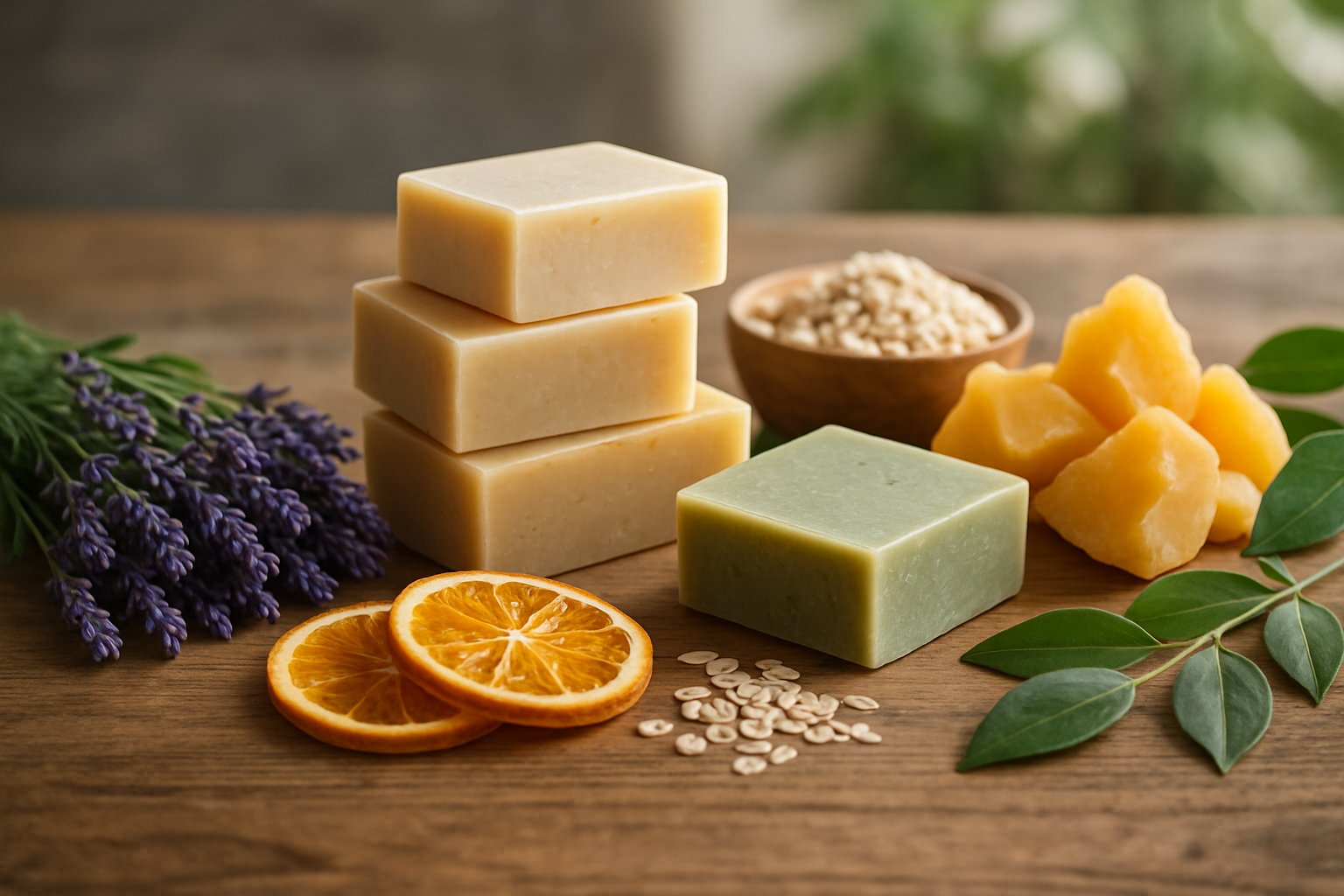
Canadian soap makers stick to plant-based oils, foraged botanicals, and pure essential oils. These ingredients nourish your skin and bring natural colours and scents to the bars.
Locally Sourced Oils and Butters
High-quality plant oils form the base of most Canadian soaps. Coconut oil gives a rich lather and solid cleansing, while olive oil keeps things gentle for sensitive skin.
Many artisans reach for Canadian-grown sunflower oil. It adds a creamy texture and helps condition your skin.
Shea butter and cocoa butter pop up in the fancier bars. These butters make soaps creamy and help your skin stay hydrated.
Common base oils include:
- Coconut oil for lather
- Olive oil for gentleness
- Sunflower oil for conditioning
- Castor oil for bubble stability
Some makers add goat milk from local farms. KC&D Soap Shop creates goat milk soaps using Canadian ingredients.
Essential Oils and Natural Fragrances
Pure essential oils give these soaps their scent, no fake stuff needed. Lavender oil relaxes and works great for evening baths. Tea tree oil brings antimicrobial perks to the mix.
Canadian makers love citrus oils—lemon, orange, bergamot—because they’re bright and energizing.
Peppermint and eucalyptus oils add a cooling kick, perfect for summer bars or post-workout showers.
Some folks blend several essential oils for a signature fragrance. These custom blends help set their soaps apart.
Botanicals and Clays
Dried herbs and flowers make soaps look beautiful and add skin benefits. Calendula petals gently heal irritated skin, while chamomile flowers offer soothing vibes.
Canadian soap makers sometimes forage local plants.
Clays help pull impurities from your skin. French green clay suits oily skin, while kaolin clay is gentler for sensitive types.
Oatmeal gives a mild exfoliation and calms irritated skin. Ground oats create a creamy, non-scratchy lather.
Sea salt and Epsom salt add minerals and help make bars harder and longer-lasting.
Eco-Friendly Colourants
Soap makers use plant and mineral colourants instead of synthetic dyes. Turmeric powder creates a yellow bar, while spirulina gives a punchy green.
Clays add earthy tones from pink to deep brown. Iron oxides supply red, yellow, and black hues.
Activated charcoal makes a dramatic black soap and helps detoxify your skin. It’s a favorite for deep-cleansing bars.
Beetroot powder and annatto seed lend natural reds and oranges. These options keep things gentle for sensitive skin.
Some makers use glacial silt for a unique grey color and a touch of mineral content. It also adds a little texture and gentle cleansing action.
Mica powders from minerals give shimmer without synthetic additives. They look great and keep the formula natural.
Popular Types of Handmade Soaps in Canada
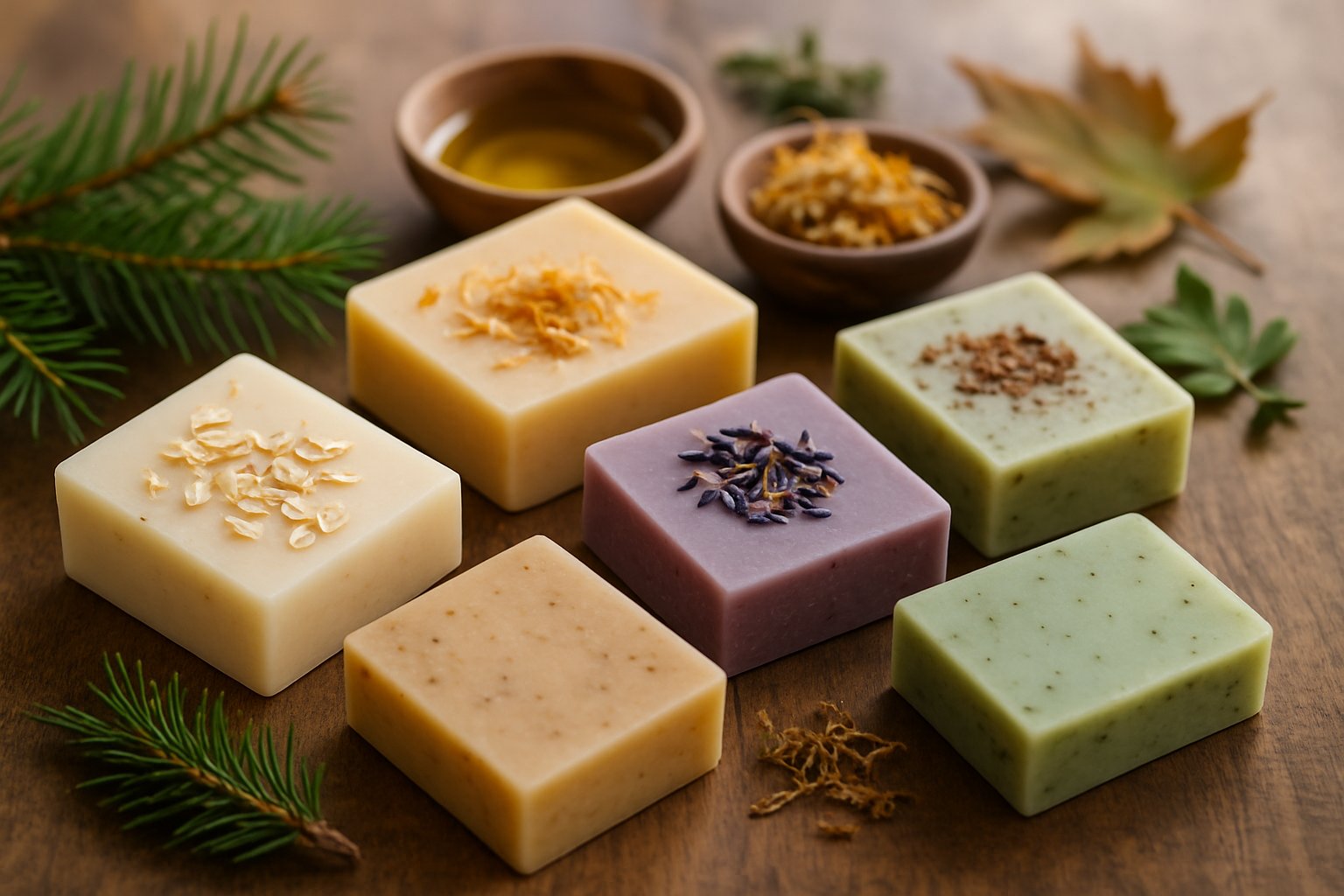
Canadian artisans get creative—there are plant-based bars, luxurious goat milk soaps, and even soaps with maple syrup, glacial clay, or wild botanicals. There’s a lot to explore.
Vegan and Plant-Based Soaps
Vegan handmade soaps are everywhere in Canada, built from plant-based ingredients and cruelty-free formulas. These natural soaps made with olive oil and coconut oil clean gently, with no animal products in sight.
Popular plant-based ingredients include:
- Shea butter and coconut oil bases
- Essential oils like lavender, eucalyptus, and lemongrass
- Natural exfoliants such as ground volcanic stone
- Fruit extracts including orange juice and pumpkin
Canadian soap makers use avocado oil and maple syrup for a twist. Many brands stick to cold-process methods to keep the goodness of plant oils.
Vegan soaps often pull double duty as both body soap and shampoo. That cuts down on packaging waste and keeps things simple.
Goat Milk Soaps
Goat milk soaps are a go-to for sensitive skin. The proteins and fats in goat milk create a creamy lather that cleans without stripping your skin.
Lavender goat milk honey bars mix the soothing qualities of goat milk with honey’s antibacterial benefits. These soaps usually cure for a month or more to get that mild, conditioning feel.
Artisans often get goat milk from local farms, so it’s always fresh. The milk keeps natural glycerin in the bar, which helps your skin stay hydrated.
Common combos include oatmeal for gentle exfoliation and chamomile for calming. These bars really work for dry or irritated skin.
Luxury and Boutique Creations
Boutique soap makers take things up a notch with premium ingredients and artistic flair. These luxury bars stand out with unique scents and fancy extras.
Small-batch producers use glacial clay from BC and fair-trade shea butter. Some even add gold flakes, silk proteins, or rare essential oils.
Artisanal features include:
- Hand-cut bars with artistic swirls and colours
- Limited edition seasonal scents
- Vintage packaging and glass containers
- Custom scent blending services
Luxury handmade soaps typically run $8-15 per bar, while standard ones cost $3-6. The price reflects those premium ingredients, long curing times, and the care that goes into each batch.
Benefits of Using Handmade and Natural Soaps
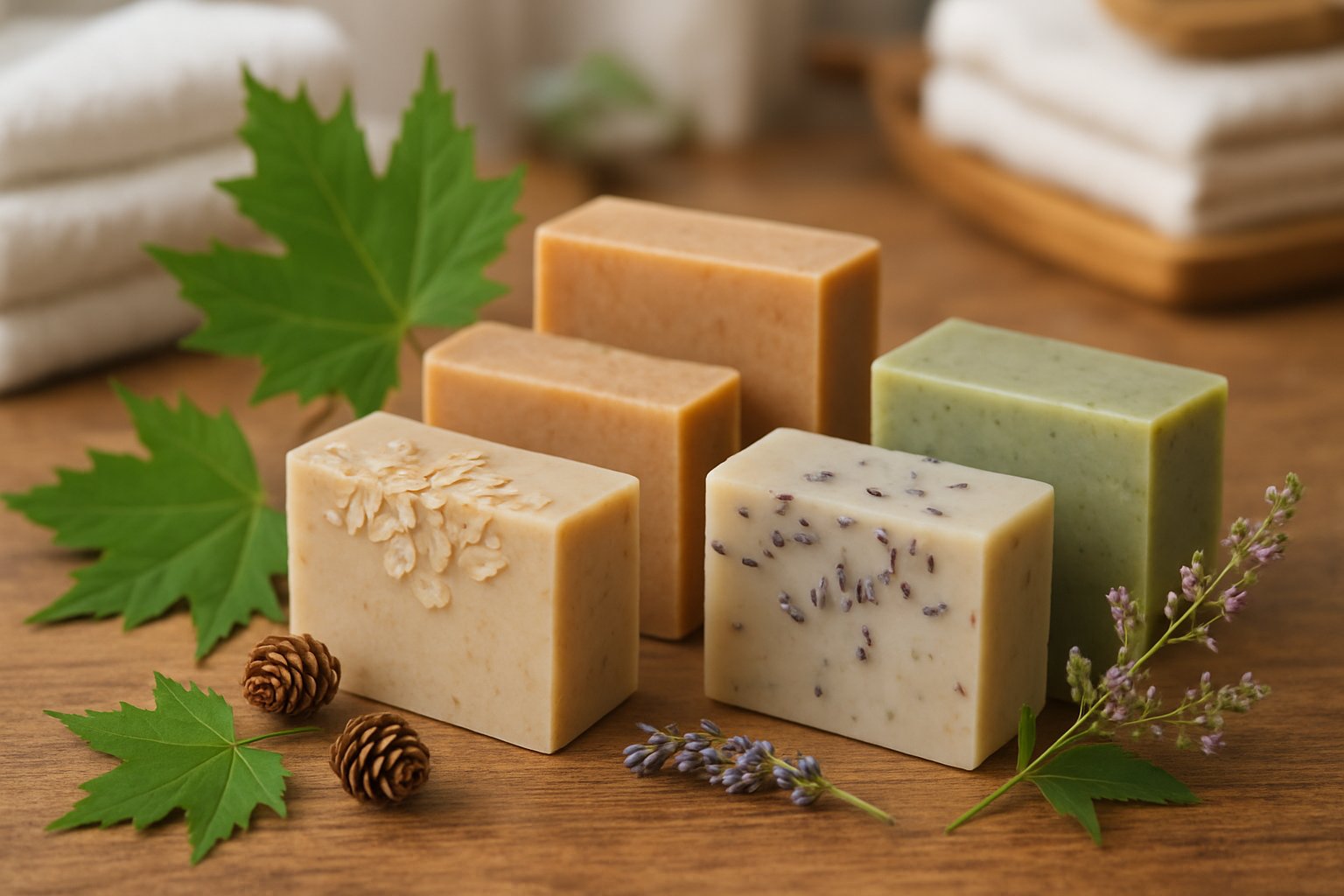
Handmade and natural soaps bring a bunch of real advantages over the usual commercial stuff. They’re packed with nourishing ingredients and gentle formulas that help your skin and, honestly, the planet too.
Skin-Nourishing Properties
Natural handmade soaps are full of skin-loving oils and butters like coconut oil, olive oil, and shea butter. These work together to moisturize while they clean.
The oils in handmade soaps don’t strip your skin’s natural barrier. Instead, they help keep moisture levels steady all day.
Many handmade soaps have glycerin—a natural humectant that draws moisture from the air to your skin. Commercial soap makers usually remove glycerin and sell it separately.
Essential oils in these natural soaps do more than just smell good. Tea tree oil has antibacterial perks, and lavender calms irritated skin.
Your skin actually absorbs nutrients from the natural fats and plant-based ingredients in quality handmade soaps. Over time, these nutrients help repair and protect your skin cells.
Gentle and Safe Formulations
Handmade soaps skip the harsh chemicals and synthetic detergents that mess with sensitive skin. You won’t see sulfates, parabens, or fake fragrances in the good stuff.
The pH in handmade soaps usually sits between 9 and 10, which is actually gentler than a lot of commercial options. This helps your skin keep its natural acid mantle in check.
People with eczema or dermatitis often notice fewer flare-ups when they switch to natural soaps. Without synthetic irritants, skin tends to calm down.
Handmade soaps use colorants from plants, clays, and minerals. These natural options rarely cause the allergic reactions that artificial dyes can trigger.
Cold-process soap making preserves the good stuff in the ingredients. Commercial heat processing tends to destroy a lot of nutrients.
Environmental Advantages
Natural soaps break down quickly in water and don’t leave behind harmful residues. The plant-based ingredients just return to the earth.
Handmade soap production uses way less energy than industrial manufacturing. Small batches mean a smaller carbon footprint.
Most handmade soaps come in recyclable packaging or just a simple wrap. That means you’re skipping the plastic bottles most liquid soaps come in.
Natural soap ingredients usually come from renewable plants, not petroleum-based chemicals. So, there’s less reliance on fossil fuels.
Local soap makers often get their ingredients from nearby, cutting down on transportation emissions. Supporting these folks keeps things efficient and close to home.
Canadian Handmade Soap Brands to Know
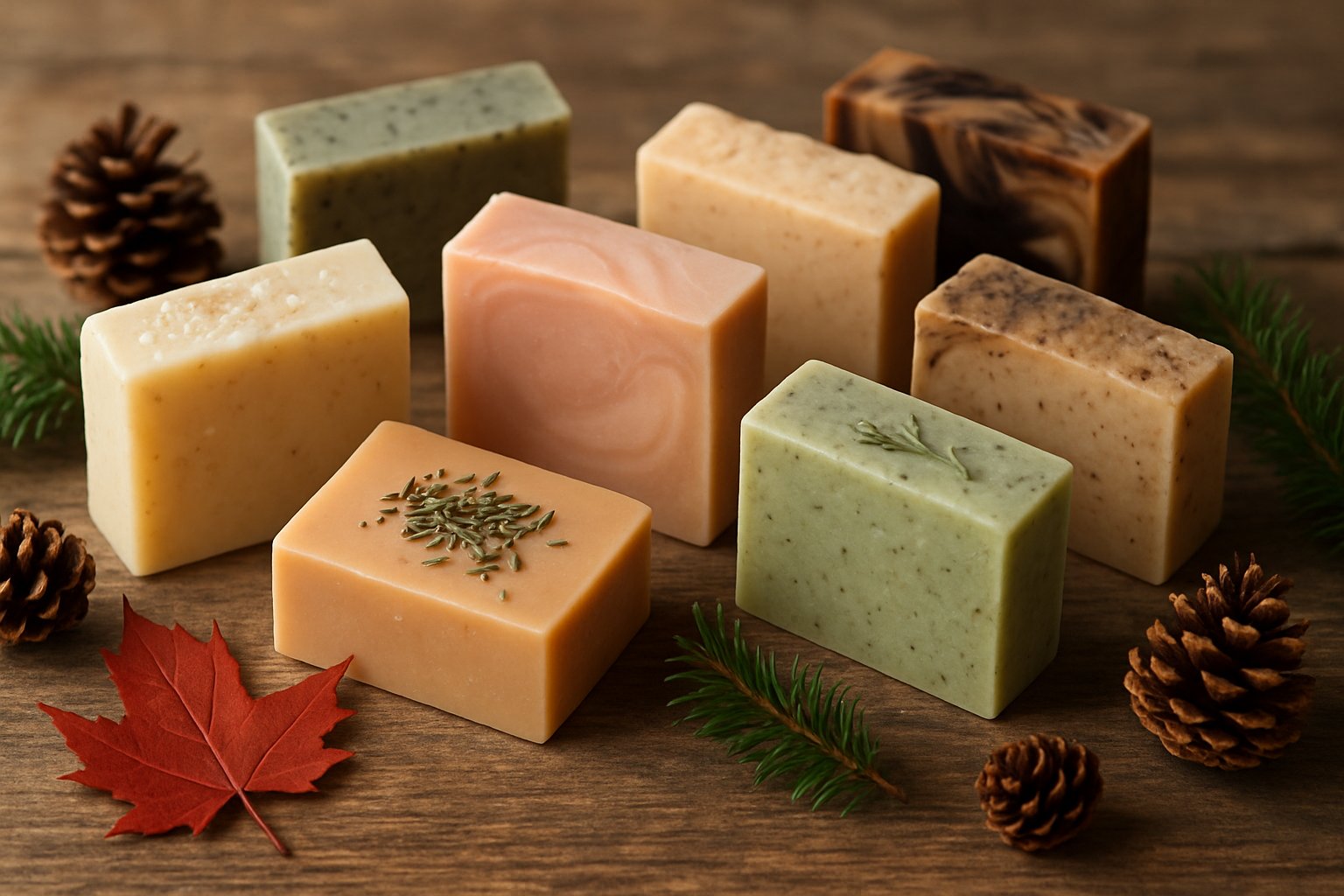
Canada’s handmade soap scene is pretty varied—from old-school companies with decades of tradition to tiny artisans making wild, creative batches. You’ll spot everything from family-run goat milk operations to boutique makers using wild botanicals straight from the Canadian wilderness.
Frequently Asked Questions
Canadian handmade soap buyers have a lot of questions. Folks want to know about natural ingredients like olive and coconut oil, how to spot the real handmade stuff, and where to find local makers. Storage tips, quality differences, and finding soaps at farmers’ markets come up a lot too.
What are the top ingredients to look for in Canadian handmade soaps?
The best Canadian handmade soaps stick to core natural ingredients that actually nourish your skin. You’ll usually see olive oil, coconut oil, and sustainably sourced palm oil as the base.
Beeswax is common in traditional bars for its moisturizing properties. If you’re looking for vegan options, check for shea butter or canola oil instead of anything animal-based.
Plant oils are the backbone of good handmade soap. Coconut oil cleans, olive oil moisturizes—simple as that.
Essential oils from Canadian plants add scent without synthetic chemicals. Lavender, rose petals, and other botanicals boost both fragrance and skin benefits.
Serious soap makers use sodium hydroxide (lye) to turn oils into soap. It’s a must for real soap making, even though it sounds a bit scary.
How can I tell if a handmade soap is truly natural?
Natural handmade soaps skip artificial fragrances and synthetic additives. Most Canadian makers steer clear of harmful chemicals and stick to plant-based ingredients.
Check the ingredient list for familiar plant names and oils. If you see coconut oil, olive oil, or essential oils (instead of chemical names), you’re probably in good hands.
The cold-process method is a good sign—it’s the old-school way, using no extra heat and letting saponification happen slowly.
Look for makers who cure their bars for at least four weeks. That extra time dries out the soap, making it last longer and feel better in the shower.
Skip anything with artificial colors, fake fragrances, or weird preservatives. Natural bars get their color and scent from plants and essential oils, not chemicals.
Where can I find artisan soap makers in Canada?
Lots of Canadian soap companies sell through shops across the country. You can usually find a store locator or list on their websites.
Online shopping gives you access to makers from remote areas. Northern communities, in particular, offer unique bars using local plants and traditional methods.
Craft fairs and artisan markets are a great place to meet local soap makers face to face. You can ask questions and see how they work.
Some small-town soap studios even offer tours. It’s worth reaching out to arrange a visit or see if they run workshops.
Wholesale platforms like Faire connect retailers with Canadian soap artisans and help get these bars into more hands.
What are the benefits of using handmade soap versus commercial soap?
Handmade soaps use better natural ingredients than most big-brand bars. Commercial soaps often pack in harsh detergents and synthetic chemicals that can mess with sensitive skin.
The cold-process method keeps the good stuff—vitamins and healing compounds—intact. That means more benefits for your skin.
Natural glycerin stays in handmade soap. Commercial makers usually take it out and sell it separately, which leaves their bars pretty drying.
Artisan soap makers can tweak recipes for different skin types. You’ll find bars for sensitive, dry, or problem skin, which is handy if you’ve got specific needs.
Quality ingredients cost more than synthetic ones, but they’re worth it for better skin care. The time and craft that go into each bar also explain the higher price.
How do I care for and store my handmade soap to ensure it lasts?
Handmade soap bars last about four weeks with proper storage and regular use. How long they last depends on how many people are using each bar.
Keep your soap dry between uses by putting it on a draining dish. Too much water makes handmade soap dissolve faster than commercial stuff.
Store extra bars in a cool, dry spot away from sunlight. This keeps the oils fresh and the soap in good shape.
Try to use handmade soaps within a year of buying them. The natural ingredients don’t last as long as the synthetic stuff in commercial bars.
Let wet bars dry out completely before stacking or storing them together. If you trap moisture between bars, they’ll get mushy or even moldy—nobody wants that.
Are there any local Canadian markets where I can buy handmade soaps directly?
Farmers’ markets pop up all over Canada, and you’ll often spot local soap artisans there. These weekly markets let you meet the makers and sniff around to sample different varieties.
Craft shows and artisan fairs come around seasonally in most Canadian communities. They’re honestly a great way to compare a bunch of soap makers in one spot.
Holiday markets during the winter months usually have handmade soap vendors. Christmas markets, in particular, seem to overflow with gift-ready soap sets and all sorts of seasonal scents.
Community festivals bring out local artisan booths selling handmade soaps. If you wander through a summer festival or a fall fair, chances are you’ll find a new favourite maker.
Some soap makers even run their own studio shops, so you can drop by and see where the magic happens. These direct-sales spots tend to have the freshest stuff and the biggest selection.


